Your guide to the heart of Litchfield County:
Discover local stories, hidden gems, and must-know events.

Private Tutoring

As students return to classrooms, whether in person or online, a universal truth resurfaces each academic year: some fall behind while others are insufficiently challenged. Covid-19 has only further compounded this reality. One solution? Private tutoring.

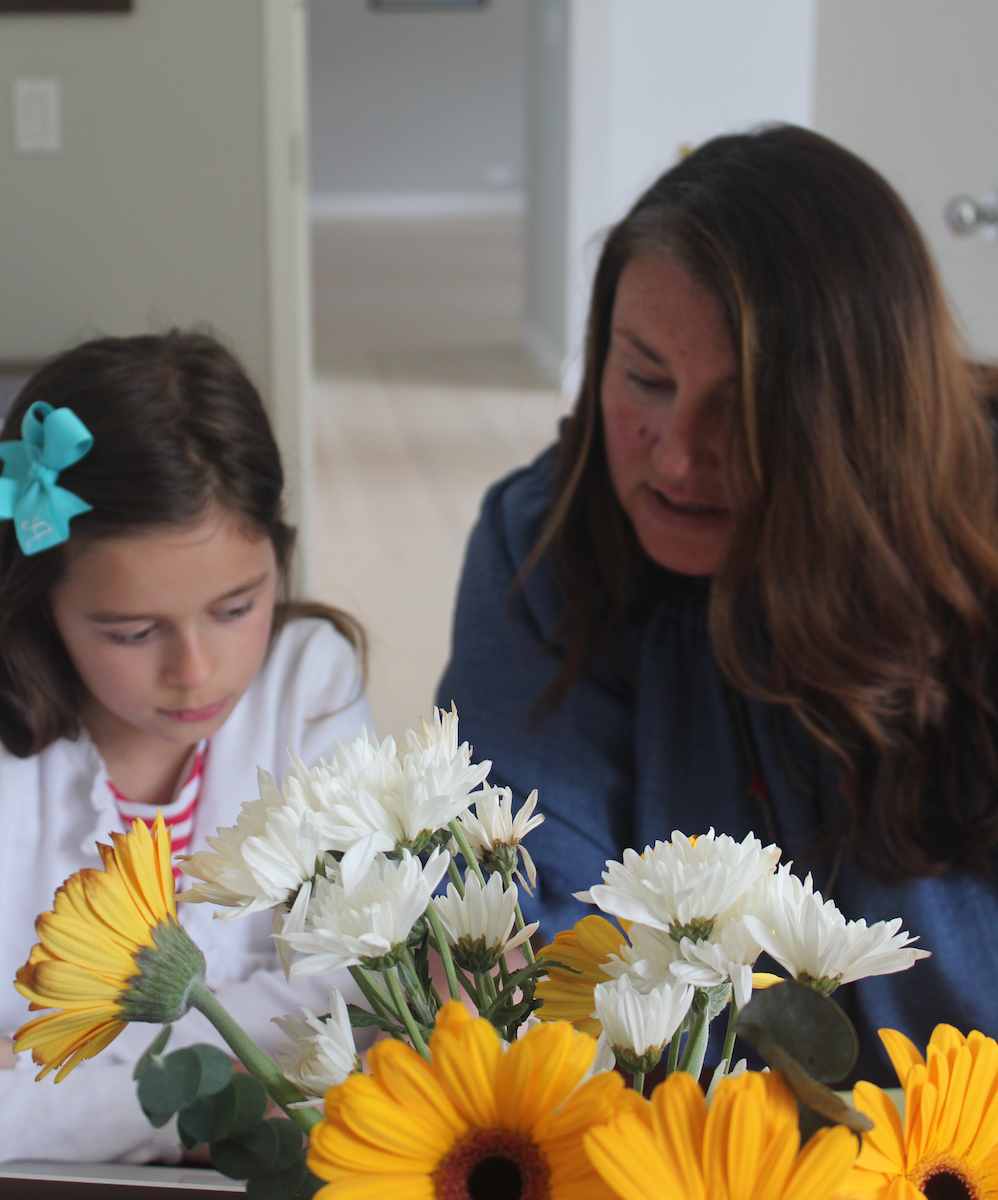
As students return to classrooms, whether in person or online, a universal truth resurfaces each academic year: some fall behind while others are insufficiently challenged. Covid-19 has only further compounded this reality. One solution? Private tutoring. “Tutoring is for students who want more, not just need more,” noted Karen Saxe, founder of Titus Tutors in Washington Depot. “Both kinds of students can get lost in a large classroom.”

Discussing the challenges of remote education experienced since March, Saxe highlighted the positive impact of tutoring, including continued in-person teaching.

“Learning should be student-driven and we should teach using content that they are excited about,” remarked Saxe, a Rumsey Hall School educator whose experience spans 20 years as a certified Connecticut and Massachusetts teacher.

One-on-one instruction introduces personalized and interactive curriculums that best resonate with visual or auditory learners. It creates opportunities for all-encompassing teaching and interdisciplinary learning that enrich reading, writing, math, and research skills––while using preferred subjects, including science, history, or social studies.

This partnership is “not more work for students,” Saxe noted, but rather a substitute or extension of enrichment programs, allowing some to “catch up” and others to “identify early strengths and further their advancement.” It also eases the burden on parents whose responsibilities suddenly included teaching their children during the pandemic. “Tutoring becomes a liaison, or a supplement to support schools and families,” shares Saxe.


Tutoring Resources:

Titus Tutors

Reis Learning Center LLC

Education without Walls

Sylvan Learning


Keeping it Clean

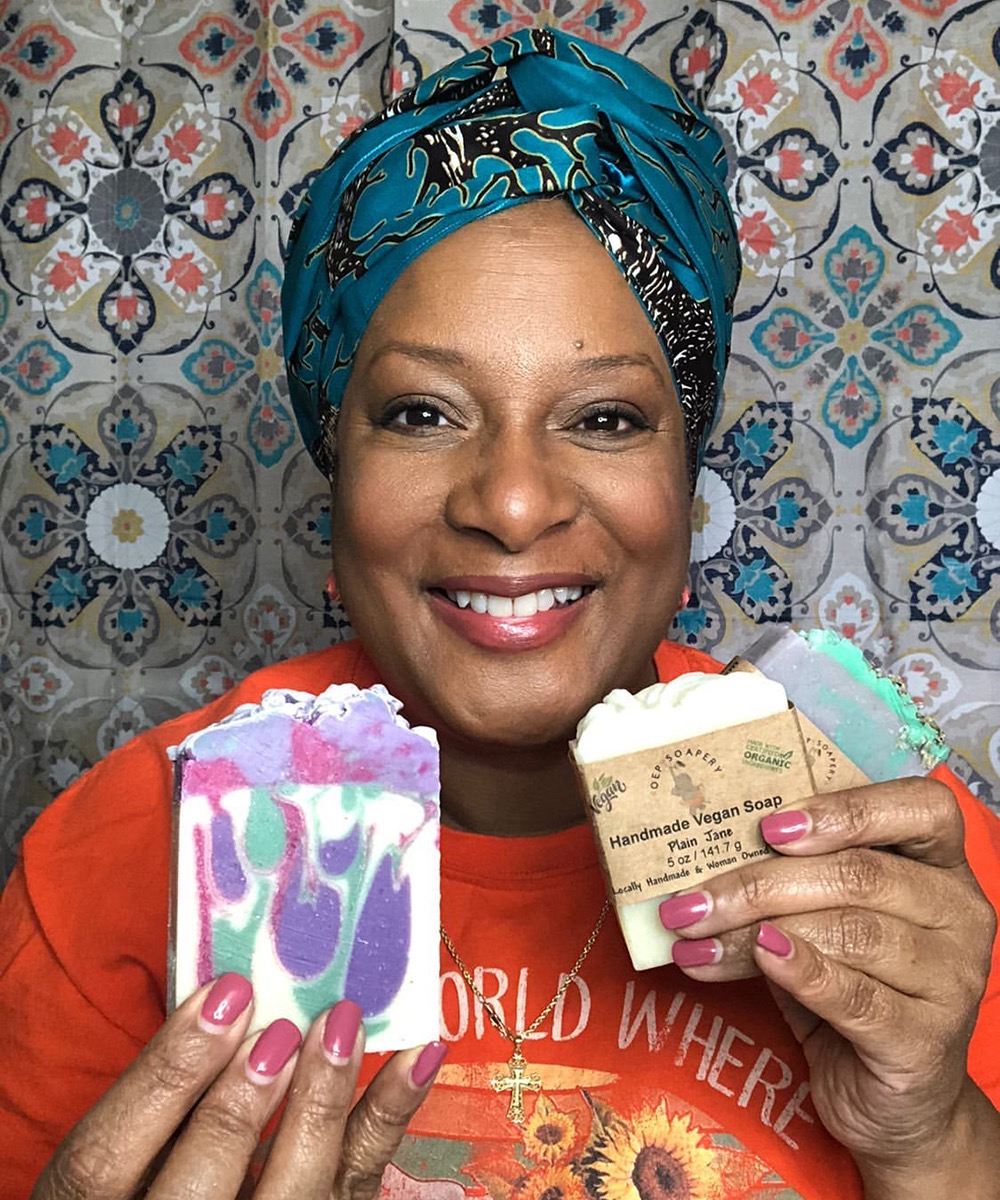
Deborah Freeman, born and raised in New Milford, is the owner and artist behind O.E.P Soapery, the maker of cruelty-free vegan bath and body soap products. O.E.P, short for Orange Elephant Patch, came about when Freeman decided to use her entrepreneurial skills to create her own source of income.

By Allie Steers

Deborah Freeman, born and raised in New Milford, is the owner and artist behind O.E.P Soapery, the maker of cruelty-free vegan bath and body soap products. O.E.P, short for Orange Elephant Patch, came about when Freeman decided to use her entrepreneurial skills to create her own source of income.

Freeman’s passion for creating high quality vegan products aligns with her family and business values. She strives to create unique vegan products that are people, plant, and animal friendly with the hope that they will replace conventional products––which can be toxic to the user and environment. 

Freeman individually designs each soap using a cold process soaping technique which gives her the ability to manipulate the texture in various ways, from thick to fluid, and create the desired shapes. Soaps are handcrafted at her own dining room table where she uses organic and therapeutic ingredients such as essential oils, and then tests them on lucky family members. In her spare time, Freeman volunteers for the Women’s Club of Greater New Milford and assists at a local nursing facility.––oepsoapery.com

Pop Flower

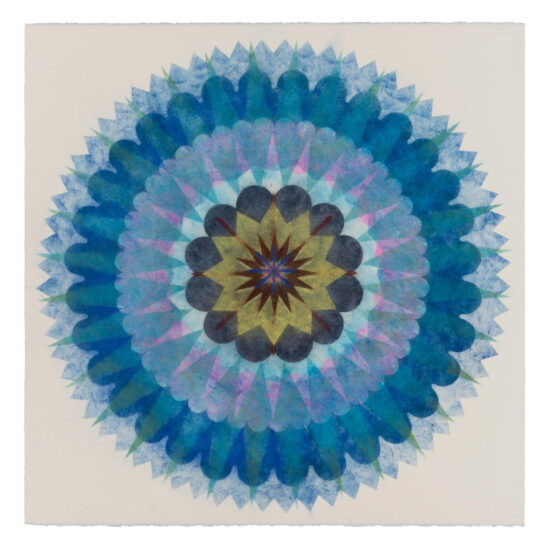
Kenise Barnes Fine Art in Kent is pleased to present a solo exhibition of Mary Judge’s new paintings and powdered pigment drawings from October 10 – November 22. Judge demonstrates mastery across many mediums, each new series illustrates her continuing exploration of materiality and form

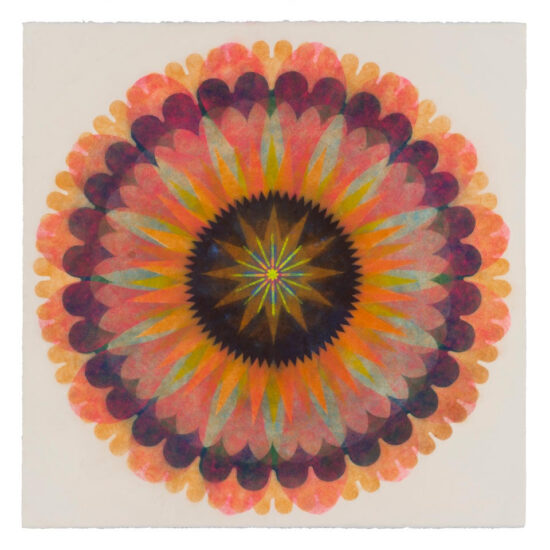
Kenise Barnes Fine Art in Kent is pleased to present a solo exhibition of Mary Judge’s new paintings and powdered pigment drawings from October 10 – November 22. Judge demonstrates mastery across many mediums, each new series illustrates her continuing exploration of materiality and form. Her ongoing exploration of powdered pigments is used to stunning effect in her most recent Pop Flower series.

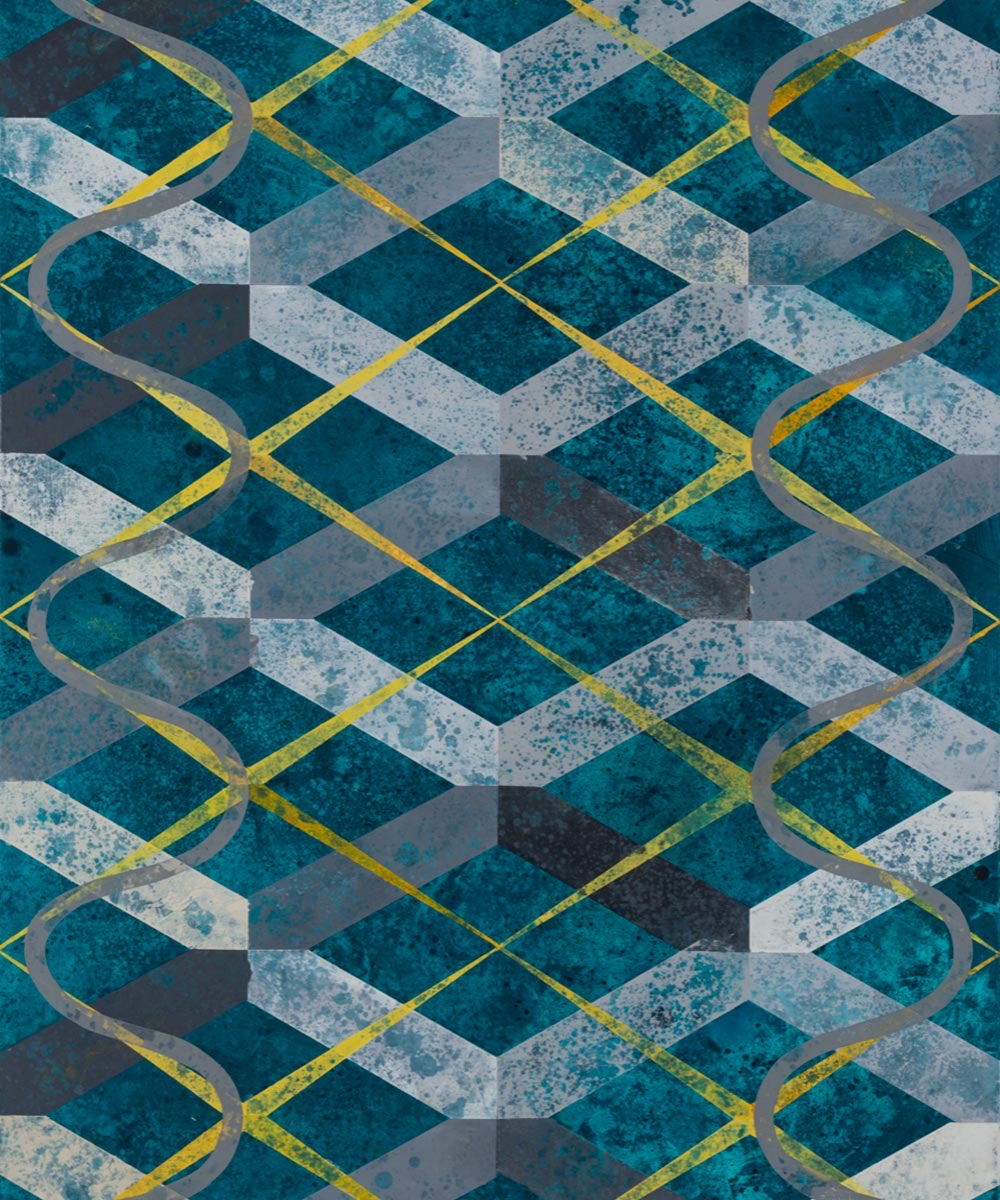
Judge’s work is about transformation through repetition. By employing an underlying geometric structure, the work explores the emotive power of reductive forms deployed through reiteration. This exhibition includes a significant return to oil painting for the artist.

The work explores the diagrammatic, the topological, and three-dimensional aspects of the drawing both through a linear-planar and tonal-atmospheric representation of form to explore a kind of lost territory between image and object.

Mary Judge
Poptic 03, 2020
powdered pigment on paper
30 x 30 inches
$3900 unframed

Judge, who also lives in Italy, has developed a distinctive technique for making her powdered pigment drawings which is based on spolvero (dust in Italian) and was used by Renaissance artists to transfer drawings to the wall for fresco painting. Judge’s paintings, drawings, and prints are in public and private collections throughout the world.

Mary Judge
Poptic 02, 2020
powdered pigment on paper
30 x 30 inches
$3900 unframed

Pigment and Paint – New Paintings and Pigment Drawings by Mary Judge

Oct. 10 – Nov. 22, 2020, opening reception Saturday October 10, 4 – 6 pm. kbfa.com

Have Will, Won’t Fail: A Roxbury Author’s Debut

arsenault

One would be wise not to doubt Arsenault, whose authorial debut, Mill Town: Reckoning with What Remains, is released this September. Her ferocious talent is visible on every page and, in person, self-assurance emanates off her like steam off hot coffee.

By Marcia De Sanctis

“Everyone said I’d never be able to grow these in Connecticut,” Kerri Arsenault explains as she gazes upon broad stands of lupine with grape-colored spires. The flowers are sprung from seeds she carried from her native Maine to her home in Roxbury, shortly after she moved there in 2013. “Hah,” she concludes with a laugh. “I guess they were wrong.”

One would be wise not to doubt Arsenault, whose authorial debut, Mill Town: Reckoning with What Remains, is released this September. Her ferocious talent is visible on every page and, in person, self-assurance emanates off her like steam off hot coffee. But even those qualities do not entirely explain her triumphant entry into the literary world at age 53, and she ponders the question. “It’s will,” she writes later from a midday run on a 90-degree day. “That’s the word!”

A legacy of determination and doggedness derives, in part, from her Acadian—French settlers to the maritime provinces of Canada—forebears, who eventually moved to the timber forests of interior Maine along the Androscoggin River, settling in the town of Mexico. Like most people there, generations of Arsenaults toiled for the paper factory that was the mainstay in town. All the while, dioxin from the paper bleaching process slipped invisibly into the air, earth and water, leading to massive spikes in cancer rates in the local population. The connection between toxic waste and cancer deaths has never been officially acknowledged by either the industry or the government. Mill Town is an engrossing hybrid of memoir and environmental detective story, and Arsenault’s deeply personal investigation into what she deems a fundamental conundrum of working-class American life. “Sure, people got great wages and decent lives, but they were also being poisoned by the industry that sustained them,” she says. “It’s very complicated.”

The path from Mexico, Maine to the center of Roxbury was also complex, a series of twists, turns, and fateful coincidences. Along the way, Arsenault had 86 different jobs, including ski instructor, donut-maker, and furniture refinisher. In 2001, she married Andrew Wood, an officer in the Coast Guard—who has since retired. Arsenault had studied journalism at Beloit College and dreamed of being a war correspondent. The itinerant thrill of military life—relocating to Curacao, Sweden, Washington, DC, and Berkeley, California—fed her imagination.

Twelve years ago, she resolved to devote herself to the work she’d been aching to do all along, and began an MFA in creative writing at New York’s The New School. “I had always wanted to be a writer, but being from the working class, I wasn’t exactly sure what that even meant,” she says. In the spring of 2013, the couple fell in love with a 1784 colonial in Roxbury known as the Parsons House. The estate was having a yard sale the day of their visit, and the couple saw two pairs of boots for sale. “They fit and we bought them—and the house,” she relates on the sign from the universe that sealed the deal. She had no idea that Roxbury was the longtime rural respite for literary giants such as William Styron, Arthur Miller, Frank McCourt, and Gay Talese.

Her ancestral hardiness is an asset to life in Litchfield County, in particular when home is an antique with 300 year-old trees and wild, expansive grounds. One senses that Arsenault does the work of cultivating her garden with relative ease, tossing arugula seeds here, digging the earth for wildflowers there. With hands that are genetically programmed never to be idle, her writing breaks are spent in motion: pruning an apple tree with a chainsaw, cleaning the old walls of Roxbury’s Hodge Library—where she served on the board—with vinegar and water, or preparing a spectacular Middle Eastern dinner for her legions of friends and neighbors. “This small town just feels right,” she says. “There is a huge community support system, which has been great.”

As her book tour gears up, life will likely take some unexpected turns, much like the course of the Androscoggin River she both loves and mourns in Mill Town. Always hungry for a challenge, the latest includes the recent purchase of a guitar, which she will teach herself to play, and play well. “If I take on something, I’m going to give it 110 percent,” she says. “It’s how I grew up.”

Have will, can’t fail. One senses that at the tender age of 53, Kerri Arsenault is just getting started.
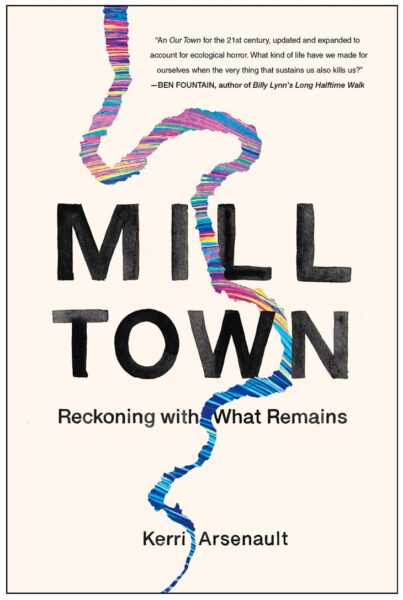

Mill Town


The Last Laugh

Barry blitt

Illustrator Barry Blitt claims that he is just trying to make himself laugh. But he makes everyone else laugh as well. He is perhaps best known for his covers for The New Yorker. His knack for rendering current political issues with the darkest of humor has won him accolades from critics and fans—and a lot of hate mail from dissenters.

Barry Blitt Captures the Spirit of Today’s Politics

By Joseph Montebello

Illustrator Barry Blitt claims that he is just trying to make himself laugh. But he makes everyone else laugh as well. He is perhaps best known for his covers for The New Yorker. His knack for rendering current political issues with the darkest of humor has won him accolades from critics and fans—and a lot of hate mail from dissenters. And recently that talent won him a Pulitzer Prize for editorial cartooning.

“It was completely out of the blue and unexpected,” says Blitt. “I got a call from the magazine’s editor on a Saturday night, which would be strange under any circumstance. He said I had won a Pulitzer but I couldn’t tell anyone yet.

“It was so amazing and I tried not to get too obsessed about it. That worked for a short time, but now I am back to beating myself up every day. Resting on this kind of laurel is probably dangerous for me.”

But Blitt obsesses a lot.

“I have a peculiar compulsion to redraw something over and over until I feel I’ve got it right,” he explains. “But really the first attempt—well, sometimes the second—is generally the best. A drawing loses life after that. When I saw my first cover in print I was sort of like I often am: ‘Oh why didn’t I do this?’ or ‘Why did I make that that color?’ That’s pretty par for the course with me,” Blitt confesses.

Even now after all these years and a Pulitzer Prize? “Absolutely. I did a cover a few weeks ago of Trump and several of his people in an operating room. I tried to be realistic with the colors and the medical garb they were wearing. When it came out I convinced myself the colors I used were all wrong.” And speaking of Trump. “I have been told no more Trump covers but I can’t help myself. I’m not yet tired of him as a subject to draw.”

Blitt was born in Montreal and studied at Ontario College of Art and Design and first started drawing political cartoons for Toronto Magazine. Assignments from magazines like Rolling Stone followed, as well as a ten-year stint drawing celebrity cartoons for Entertainment Weekly.

Although Blitt lived in New York City for a time, he now resides in Roxbury in a house once owned by Arthur Miller and Marilyn Monroe.

“I can’t see my neighbors and the tranquility allows me to sleep, which I need to do in order to work. If I’ve slept well, and that’s not always a given, then by two or three in the afternoon I’m bitterly disappointed with everything I’ve tried. If I get the go-ahead to do a drawing I have to force myself to finish it. Often if I have more than a day, I just keep doing more versions. Usually the first is the best and the freshest. The art editor knows that and tries not to give me so much time. Sometimes it works to my advantage to have something look as if it was scribbled out, even though it may have taken me five or six hours or days.”

Blitt is now doing the Kvetch Book for The New Yorker website.

“That’s been a nice thing to do. You never get to do what you want, but I’ve done some Keith Richards and Bob Dylan—I get to stray away from the political stuff.”

But not for long. There are surely a few more Trumps in Blitt’s future.

Farmhouse Redux

Hendricks Churchill Lead

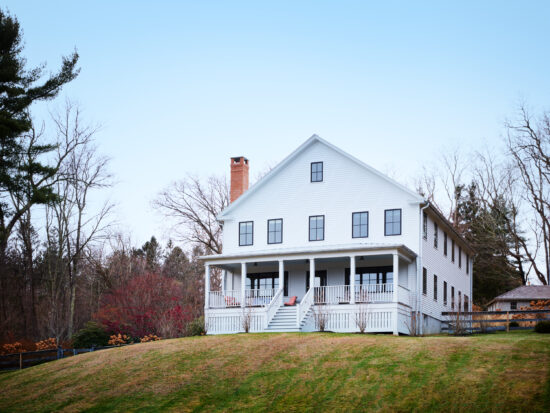
Once they agreed to rebuild, the owners envisioned a modern day farmhouse. The original footprint was slightly larger than Churchill would have made it had he been starting from scratch, bringing the final house to about 4000 square feet.

Connecticut Firm Creates a New Life for a Lakeville Property

By Joseph Montebello

The view from the bungalow was breathtaking––an uninterrupted panorama of the stunning Wononskopomuc Lake. The bungalow, however, was not. At first the new owners thought they would simply renovate the original structure without increasing its size. The couple turned to Hendricks Churchill, an award-winning architecture and interior design firm with an office in Sharon, to help them create their dream house.

Wononskopomuc Lake is located in the Lakeville section of Salisbury. Nestled in the foothills of the Berkshires, it is Connecticut’s deepest lake, with a maximum depth of 102 feet and a mean depth of 36 feet. In the summer it is a premier recreational venue for swimming, sailing, canoeing, and fishing,and skating and cross-country skiing in the winter. The area around the lake is primarily residential, with houses set back on fairly large lots to take advantage of the spectacular vistas.


Hendricks Churchill
Photo by Tim Lenz

“This particular cottage was built in the late 1930s,” explains architect Rafe Churchill, “and like many structures of that era, it had been added on to several times and it wasn’t very stable. Consequently the owners decided they wanted a different style house. So, in the end, we decided to demolish most of the building and leave the foundation.”

“That was a big decision––to totally tear down the existing structure,” he continues, “and that’s a choice we don’t take lightly. In many instances we’ve discovered that we can use the existing footprint and just divide the space differently. The owners were responding emotionally to the views and they were sure we could make it work. But then they realized that starting over was going to deliver a better house.”

Photo by Tim Lenz

Once they agreed to rebuild, the owners envisioned a modern day farmhouse. The original footprint was slightly larger than Churchill would have made it had he been starting from scratch, bringing the final house to about 4000 square feet.

“The open floor plan was key to the success of the project,” says Churchill,” with large cased openings linking rooms, a wide center hall, and large black framed windows, the house feels distinctly contemporary.”

Along with the black framed windows, which fill the interior with natural light, Hendricks’s use of beige and white paint for the walls, along with the higher ceilings and wide center hall add to the openness and spacious feeling of the first floor.

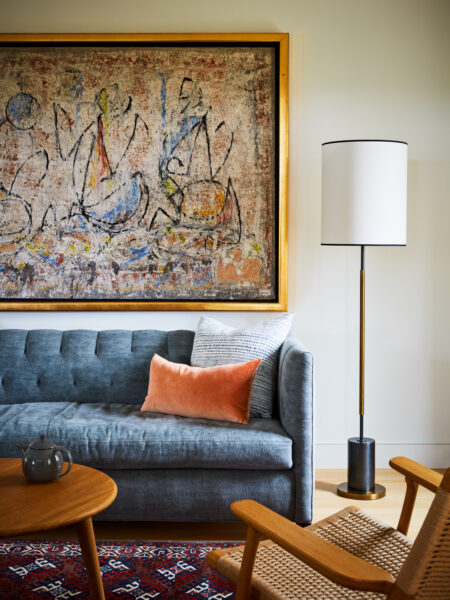
The owners were moving from Long Island where their home was more tailored to their lifestyle of a young professional couple: midcentury furniture, very minimal, and fairly monochromatic. Now that they were planning a family, they wanted something more comfortable, more kid-friendly, décor that felt more settled and cozy, and embraced the farmhouse aesthetic that Hendricks Churchill had created for them. Shots of color were incorporated into the kitchen cabinets and door and window frames. Additionally, a small study with shelving for books was painted a pale blue to complement this cozy space.

Hendricks Churchill
Photo by Tim Lenz

This home embodies Hendricks Churchill’s hallmark style––traditional living spaces infused with modern touches and careful curation of color. “We feel so fortunate to be able to use so many local resources that are available in Lakeville and its surrounding towns,” says Hendricks. “From our general contractor Riga Construction in Canaan to shops like Montage, Hunter Bee, and Cottage and Camp in Millerton, who offer an eclectic assortment, a bit of the unusual, along with a bit of patina and an aged quality. It made selections easier and the clients were delighted.”

Planning for the End

mary shinke

Speaking from experience, Mary Schinke firmly believes that dying at home is overrated. And as president of the board of directors of Regional Hospice in Danbury, she personally understands the trauma, confusion, and sadness a family endures over the loss of a loved one.

Regional Hospice Creates a Human Connection for Both Family and Patient

By Joseph Montebello

Speaking from experience, Mary Schinke firmly believes that dying at home is overrated. And as president of the board of directors of Regional Hospice in Danbury, she personally understands the trauma, confusion, and sadness a family endures over the loss of a loved one. A year and a half ago Schinke’s husband Steven died of lung disease. They met when she was his research assistant at Columbia and they had been married for 32 years.
“I have experienced the hospice from both sides,” says Schinke, “as a volunteer and as a recipient of its benefits. People say they want to die at home; I think what they are really saying is they don’t want to die in a hospital with all that that entails. I think it’s important for a person to have a calm, peaceful, beautiful place that is not a hospital setting. It reduces the stress on the family and the patient gets out of the home. Having been through it myself, my husband’s and my stress level dropped enormously when he went into hospice care because then I could just be his wife. I was not responsible for anything else. At home I didn’t know what I was doing. At the center you can just be at that person’s side as a parent, spouse, or whatever you are to that individual.”

But Schinke, who is an attorney in Roxbury and New York specializing in estate planning, got involved with Regional Hospice for an entirely different reason.

“I have a very calm and sweet Bichon Frise named Charlotte. She is a quintessential lap dog and I thought she would make a great therapy dog. A friend told me about Regional Hospice and I started volunteering with Charlotte. Eventually I was invited to join the board.”

Regional Hospice began in 1983 providing at-home services for patients with terminal illnesses who no longer benefited from treatment. Its services include nursing, social work, spiritual care, home health aids, volunteers, bereavement support, all prescription medication, and all durable medical equipment.

The brains and passion behind the success of the organization is Cynthia Emiry Roy, who has spent her career in hospice services, having been president and CEO for the past 15 years.

“People are afraid of the ‘H’ word,” says Roy. “We are about helping people live fully, about being hopeful and passionate and about approaching the end in a more positive and humane way.”

After successfully creating the 40,000 square-foot facility she is now planning the new children’s wing.

“We do have a large in-home program for children but we wanted this to be especially for their needs,” Roy explains. “There is only one such facility in the northeast and only five in the nation. Each child’s room will have a planetarium on the ceiling; a giant video screen will feature oceans and scenic images. Additionally, the suites will have patios so patients can be wheeled outside. Kids look at life differently from adults and the resilience they show during their illness is remarkable. And this new facility will have an impact on so many children.”

Schinke and Roy met several years ago when they were serving on a committee together.

“Mary is remarkable and I knew she would be a great addition to our board. We also have another connection. She brought her husband to one of our first cocktail parties and she thought I might know him. It turned out he was an endowed professor at Columbia and had been one of my instructors in graduate school. 20 years later he is in my building and his wife is on our board.”
Together these two women and their colleagues are changing the image of hospices and making sure that terminally ill patients of all ages receive the best care during their final days.

Regional Hospice

30 Milestone Rd

Danbury, CT 06810

regionalhospicect.org

203-702-7400

A Love Affair with Art

Velasquez

The Pleasant Valley resident creates paintings, prints, ceramics, cards, textiles, and mobiles of sometimes fantastical design––and often more subtle in form yet still stunning. She calls her work “modern, sophisticated, graphic, and bold with a fun color sense,” reflecting her love for the simplicity of line. Velasquez works in both digital and traditional methods.

Bit by bit, piece by piece, Velasquez makes art every day.

By John Torsiello

Deborah Velasquez loves her craft; it is what she knows she “should be doing.”

The Pleasant Valley resident creates paintings, prints, ceramics, cards, textiles, and mobiles of sometimes fantastical design––and often more subtle in form yet still stunning. She calls her work “modern, sophisticated, graphic, and bold with a fun color sense,” reflecting her love for the simplicity of line. Velasquez works in both digital and traditional methods.

Having had a love affair with art and creating “since childhood,” Velasquez finds inspiration from travel––summers on Martha’s Vineyard but not this year––as well as the beauty of her garden, “and the primitive innocence of my son’s scribbles.” Her calling cards are black and white images combined with one or two colors to produce beautiful contrasting shapes and lines for the eyes to feast upon.

Velasquez graduated from the Colorado Institute of Art and the University of Hartford Entrepreneurial Business program. She also studied textiles and fashion design at the Fashion Institute of Technology (FIT) in New York. Her artwork has been exhibited in numerous galleries and juried shows. Her designs can be found on products such as rugs, wall art, ceramics, stationery, textiles, and mobiles. Her work is carried by Minted, West Elm, CarpetVista of Sweden, and giftware and home décor licensing companies.

velasquez painting
Photo by Corey Lynn Tucker

Velasquez didn’t make significant art for a long time; she was caught up in her work as an art director in New York City and then raising two sons, Elan and Auguste, who were born after she and her husband, John, found a “perfect” home in Pleasant Valley. “It’s been a wonderful time raising my kids, but I felt an urge to create and I started doing little canvases and cards about 15 years ago,” she explains. “I did a show at a tea room in the center of New Hartford and it went really well.” Bit by bit, piece by piece, she made art “every day,” first in a barn at the family’s house and then at a studio in the center of New Hartford.

The COVID-19 pandemic shut the doors to her studio, hopefully not permanently. She has transitioned to working from home; a blessing in disguise. “It has given me more time with the family. It kind of feels like we are on an extended snow day.”

Her “business” model has also changed; “I accumulated a nice collection of work last year that has kept me visible and sustained via online. And I’ve found a great outlet on Instagram.” She also conducts online art classes and even found time to author a book, Drawing in Black & White.

Photo by Corey Lynn Tucker

Velasquez’s influences include Henri Matisse and Alexander Calder, “You want to grow. I will experiment but I always have to find my center, my lane.” She says her work is “where art meets beauty and lifestyle. Whenever I have been faced with something I don’t know I’ve thought it out. I might sound like a conceited punk but I’ve never doubted my ability to create meaningful art.”
––

Deborah Velasquez

deborahvelasquez.com

A Win-Win for Everyone

Fifty years ago, Children’s Community School (CCS) was established in the basement of Waterbury’s Berkeley Heights Housing Project. The pre-K-grade five school, serves inner-city children whose families live at or below the federal poverty level—97% of whom identify as Black or Hispanic.

Two very different schools come together and everybody wins.

By Hannah Van Sickle

Fifty years ago, Children’s Community School (CCS) was established in the basement of Waterbury’s Berkeley Heights Housing Project. The pre-K-grade five school, serves inner-city children whose families live at or below the federal poverty level—97% of whom identify as Black or Hispanic. At first glance, CCS might seem the antithesis of Washington Montessori School (WMS), tucked 20 miles away in the rural Litchfield Hills. Upon closer examination, clear parallels emerge: the culture at WMS is based on respect, inclusiveness, and collaboration, while CCS boasts a robust curriculum and unique experiences—one of which is the Community Partnership Program (CPP), a collaboration that provides middle school education at WMS to a pair of CCS graduates each year—identified as potential academic and social leaders. The goal is to provide all students a more broad and diverse environment in which to grow and learn.

Barat DelVicario spearheaded development of the partnership, established in 2005, based on a growing rapport between the two schools. More than 25 years ago, her fourth and fifth grade students at Washington Montessori School sent the proceeds from their first gingerbread house project to CCS; when the longtime educator transitioned to middle school, she took her students to Waterbury for a pair of community service days each year. “The kids got to know each other, work with one another in the classroom, and they all loved it,” says DelVicario while emphasizing the program’s goal: to prioritize education for students from all socioeconomic backgrounds as a means of enriching the community at large. Or, in the words of CCS principal Katherin Sniffin, “to reach urban students and give them an equitable shot at a great education.” To date, thirty students have benefited from this program.

Last year, CCS added a sixth grade; still, the collaboration remains strong. “When you get a child who is thriving and expanding, sometimes we can’t be the best school,” says Sniffin citing the partnership program with WMS as “a great gift,” one that allows many families a path into the rigorous and diverse opportunity that comes with the added enrichment that WMS provides—something longtime educator Tom Fahsbender has witnessed firsthand.

“Diversifying the class group changes the conversation,” says Fahsbender in a nod to kids’ natural curiosity. Adolescents want to know about one another: where they live, who is in their family, and what they do outside of school. “It gives them a sense of the variety of life experience others have,” he says of the diverse student body at WMS which, in turn, creates a microcosm of the world in which we live.

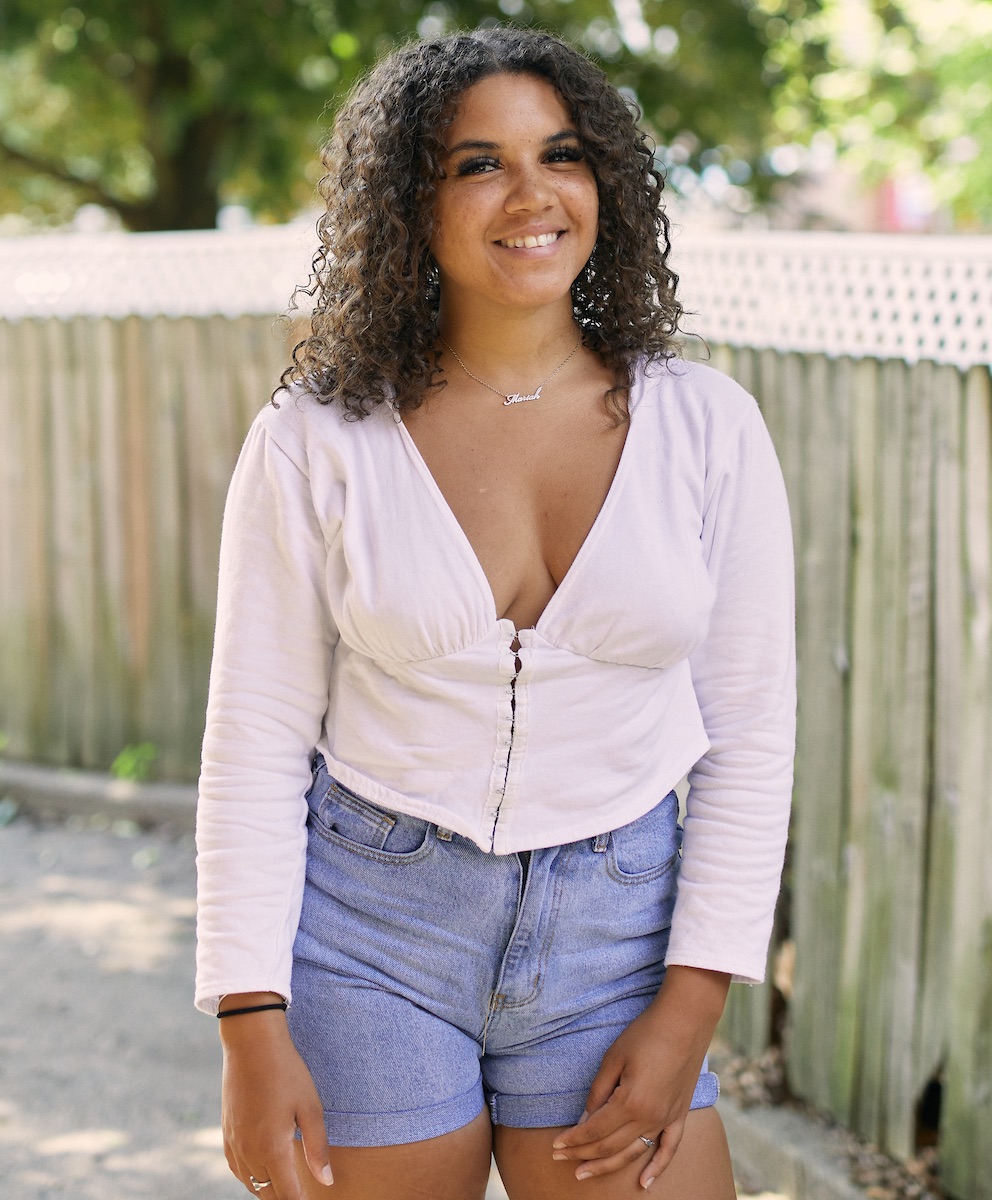
Adding more points of view, like that of Mariah Fortunato, enriches the entire community. “This program changed the whole course of my life,” says Fortunato, a 2012 graduate of WMS who went on to attend Westover School in Middlebury and is currently a “super senior” at UCONN where she is majoring in Psychology with a minor in Urban and Community Studies. Fortunato has experienced what she calls, “both sides of the spectrum,” and cites having come from a poor, inner-city family and experiencing private school life as informing her passions and shaping her life. “I am grateful to have gotten the chance for an education many people don’t,” she says, acknowledging that the transition from a predominantly Black school to a predominantly white one was difficult at first. For students like Fortunato who come from chaotic homes, school provides a sense of stability; still, she returned to challenges at home each evening—namely, a parent struggling with drug addiction—a situation
with which many of her peers were not familiar.

Fortunato is now determined to create opportunities for kids who grew up like she did, thanks in large part to having benefited from the WMSCPP. Her dream goals include becoming an inner-city school counselor and opening a nonprofit center to provide after-school structure—from tutoring and counseling to nutritious meals and recreational activities—to inner-city kids.

“We survive and thrive because so many community partners believe in what we are doing,” says Sniffin, a sentiment with which DelVicario agrees. “I’m just so proud to be part of something that has been so successful,” she shares. “It’s a win-win for everybody.”

Authentic Italian

Attention to detail and love of traditional cooking has earned Roma multiple awards for being the best Italian restaurant in Connecticut.

By Charles Dubow

“We have two ladies in their 80s who make our cavatelli. We go through pounds of it every day,” says Ralph DelBuono, co-owner of Roma Ristorante in Oakville. “Tommy brings them 50 lb. bags of flour, they make the cavatelli, and then he brings it back.”

That is the kind of attention to detail and love of traditional cooking that has earned Roma multiple awards for being the best Italian restaurant in Connecticut. Tommy Dadonna, the other co-owner, wouldn’t have it any other way. “Nothing we serve here comes out of a bag or a box,” he says with pride. “I source everything. We make our own meatballs. All our meat is organic. I even go to the docks in Boston to meet the captain of the boat that catches our fish.”

Ralph and Tommy are life-long friends, having grown up in the same Italian-American neighborhood in Waterbury. They bought Roma from the previous owner in 2016. Returning customers are greeted like old friends and new patrons are welcomed with genuine warmth.  The same familial feeling includes their staff. The chef, Steve Marcoux, has been there for 20 years. The headwaiter, Thomas Sergi, for 24, “I’ve been here long enough to wait on my customer’s kids’ kids.” While patrons have returned to Roma’s outdoor deck, main restaurant, and private rooms, Ralph and Tommy are exploring new ventures. “We have a mobile kitchen,” says Tommy. “We will come to your home or event, and cook everything from a 300 person Italian wedding to a pig roast.”

Roma Ristorante
179 Davis St, Oakville, CT
(860) 274-2558

Current Issue
May / June 2026
The Garden Issue
Subscribe Now
.
  • STAY IN THE KNOW

    Your weekly guide to can't-miss events, hidden gems, and local favorites in Litchfield County. Sign up now for curated things to do, eat, and explore—delivered every week. It’s free. It’s local. It’s essential.

  • Karen Raines Davis