
Your guide to the heart of Litchfield County:
Discover local stories, hidden gems, and must-know events.

Hearthstone Turns the Second Home into a Protected Asset

Hearthstone & Co. offers full-service rental management, helping Litchfield County homeowners earn income while preserving their property.

There’s a particular  kind of paralysis that comes with owning a beautiful second home in Litchfield County. The house sits empty between your visits, sometimes for weeks, sometimes months, and somewhere in the back of your mind, you know it could be earning. But the mental image that follows tends to stop the conversation cold: strangers in your kitchen, a booking platform that treats your 1790 farmhouse like a commodity, a 2 am phone call about a broken pipe.

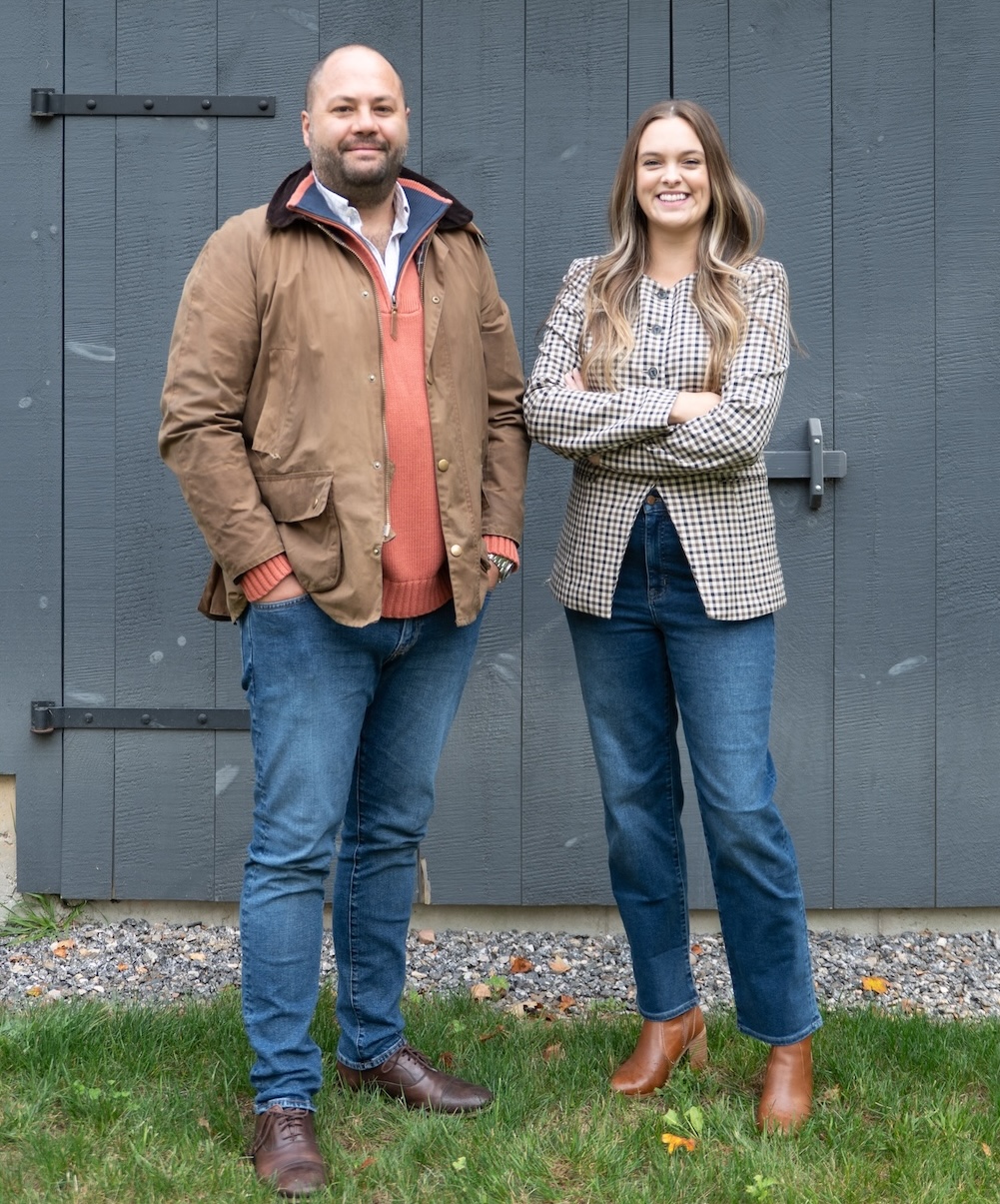
Martin and Emma, the founders of Hearthstone & Co., have heard every version of this hesitation. They built their company precisely around it.

“We kept seeing the same thing,” says Martin. “Stunning Litchfield County second homes sitting empty while their owners dreaded the idea of renting. We knew there was a better way, one that was genuinely hands off, trustworthy, and built around the character of this county.”

That better way looks, in practice, like a full-service management partnership that handles everything from the first listing photograph to post-checkout care: dynamic pricing, guest vetting, 24/7 support, vendor coordination, and what Martin calls “local concierge care.” What it doesn’t look like is a platform. “We’re not a platform,” he says. “We’re a partner.”

The distinction matters. Short term rental management, done properly, is a 24/7 operation, a real business with real protocols, not a side hustle dressed up in good photography. Hearthstone operates with more than 3,000 stays of experience behind it, which means their systems aren’t theoretical. “Our protocols are built from real situations,” Martin explains. “Every type of guest, every challenge, every curveball.”

The company is deliberately selective about which properties it takes on. Hearthstone’s portfolio is application-only: historic farmhouses, restored barns, lakeside estates, homes with what Martin describes as “the soul of Litchfield County” baked into their bones. The right property needs to be in excellent condition, and owned by someone who cares about it as much as Hearthstone does.

For owners still worried about losing access to their own property, the answer is unequivocal: you don’t. Calendars are designed around owners’ lives, with full personal use built in. “Owners keep full control of their calendar and stay informed without being burdened,” says Martin. “Their home is always protected and always earning.”

That word, protected, comes up often. Hearthstone approaches every property as an asset worth preserving, not simply monetizing, and their maintenance standards are calibrated accordingly. The typical Hearthstone guest is a discerning traveler: couples and families out of the city who want privacy, authenticity, and a real home, not a hotel experience. Guests are vetted. Homes are staged. And the standard held is consistent enough that many owners see their property’s value increase over time.

In a county that draws high end travelers precisely because it feels rare and unspoiled, that alignment of incentives is, perhaps, the point.

Hearthstone & Co. is currently accepting applications for a small number of new properties in 2026.
hearthstonestays.co

Charles Choi Has Opinions About Your Serum

mimmua! skincare blends science and experience, offering Volufiline-powered formulas for radiant, confident, kissable skin.

Charles Choi is not interested in making products that merely work. For Choi, the founder of Korean skincare brand mimmua!, efficacy is the floor, not the ceiling. What he is after is something rarer: a product that feels worth wanting before you even open it.

“We think about the full arc of the customer experience,” he says, “from the moment the product arrives in the mail, to the first time someone sees the packaging, to the moment the formula touches their skin. That is what customers are paying for.”

It’s a philosophy that sets mimmua! apart in a crowded market, and one that Choi has built into every decision the brand makes. The mission, as he describes it, is built around a single idea: kissable skin. The daily ritual mimmua! offers is designed to give people a boost of confidence and self-love, while doing away with everything he finds clichéd about the beauty industry, the recycled formulas, the interchangeable packaging, the quiet assumption that functional is enough.

The brand’s best-selling product, the Volume UP Time Block Serum, is proof that the formula- plus-experience approach resonates. Its star ingredient is Volufiline, a patented compound developed by the French cosmetic ingredient maker Sederma. The formula combines a synthetic oil, an herbal extract called Anemarrhena Asphodeloides Root Extract, and vitamin E. It’s the saponins in the herbal extract that do the heavy lifting: lab testing shows they help differentiate at cells in the dermis, plumping skin from the inside out and softening fine lines, wrinkles, and sunken areas of the face. Testing also found that the ingredient performs best at a five percent concentration, which is precisely what the serum and moisturizer contain. The toning essence, by design, contains one percent, making it an ideal entry point for those who want to introduce Volufiline gradually.

The serum’s second active is Beta Glucan, sourced from Schizophyllum commune, a type of split gill mushroom. Long used in oral supplements for its health benefits, Beta Glucan is prized in skincare for its moisture retention and soothing properties. Studies suggest it is 20 percent more hydrating than Hyaluronic Acid, and it has no known side effects, suiting all skin types. That last point was not incidental to Choi. “Volufiline might not work for every skin type, just like any active ingredient,” he says. “I used Beta Glucan specifically to offset any irritation it might cause.” The pairing reflects a philosophy that runs through the entire line: proven ingredients, thoughtfully balanced, chosen not for trend but for function.

Even with limited marketing after launch, the serum found its audience quickly. Within two months, mimmua! was doing $10,000 in daily sales on Amazon, most of it driven by this single product. The Volume UP line has since grown to include a moisturizer, toning essence, and a 100 percent Volufiline oil.

Choi is also forthright about what he sees as a failure of imagination in the broader Korean skincare market. Most brands, he notes, trend toward minimal packaging, colorless and clinical, often dressed up as a kind of rigor. He finds it frustrating. “Being minimal has nothing to do with being clinical,” he says, “and too often it is simply a way to cut manufacturing costs.” His counterargument is right there in the name. Beauty should be beautiful. Not pretty (that’s subjective, he’s quick to note) but purposeful and desirable. Customers are not only paying for the formula. They are paying for the container and the experience. It’s a distinction that keeps mimmua!’s manufacturing costs high and, by all accounts, keeps its customers coming back.

The road ahead is ambitious. Mimmua! is currently in the process of entering Ulta, with a longer-term goal of moving into all major retail. The brand is already live on Amazon Canada, the UAE, and Australia, with Amazon Saudi Arabia launching next month and Europe to follow in June.

What is perhaps less expected is the philanthropic thread running through it all. Mimmua! currently supports single mothers in Korea through the Salvation Army, and Choi is candid about wanting to do more, particularly for children, not just in Korea but around the world. His goal is to donate a portion of profits from each country back to people in need within that country. The brand has always been about how you feel in your skin, he says. It seems right that it should also be about how other people feel in theirs.—mimmua.shop

Geary Contemporary Salisbury: A Line, A Shape, A Tool Sculpture Exhibition

Geary Contemporary in Salisbury, Connecticut presents A Line, A Shape, A Tool sculpture exhibition May 23–July 5

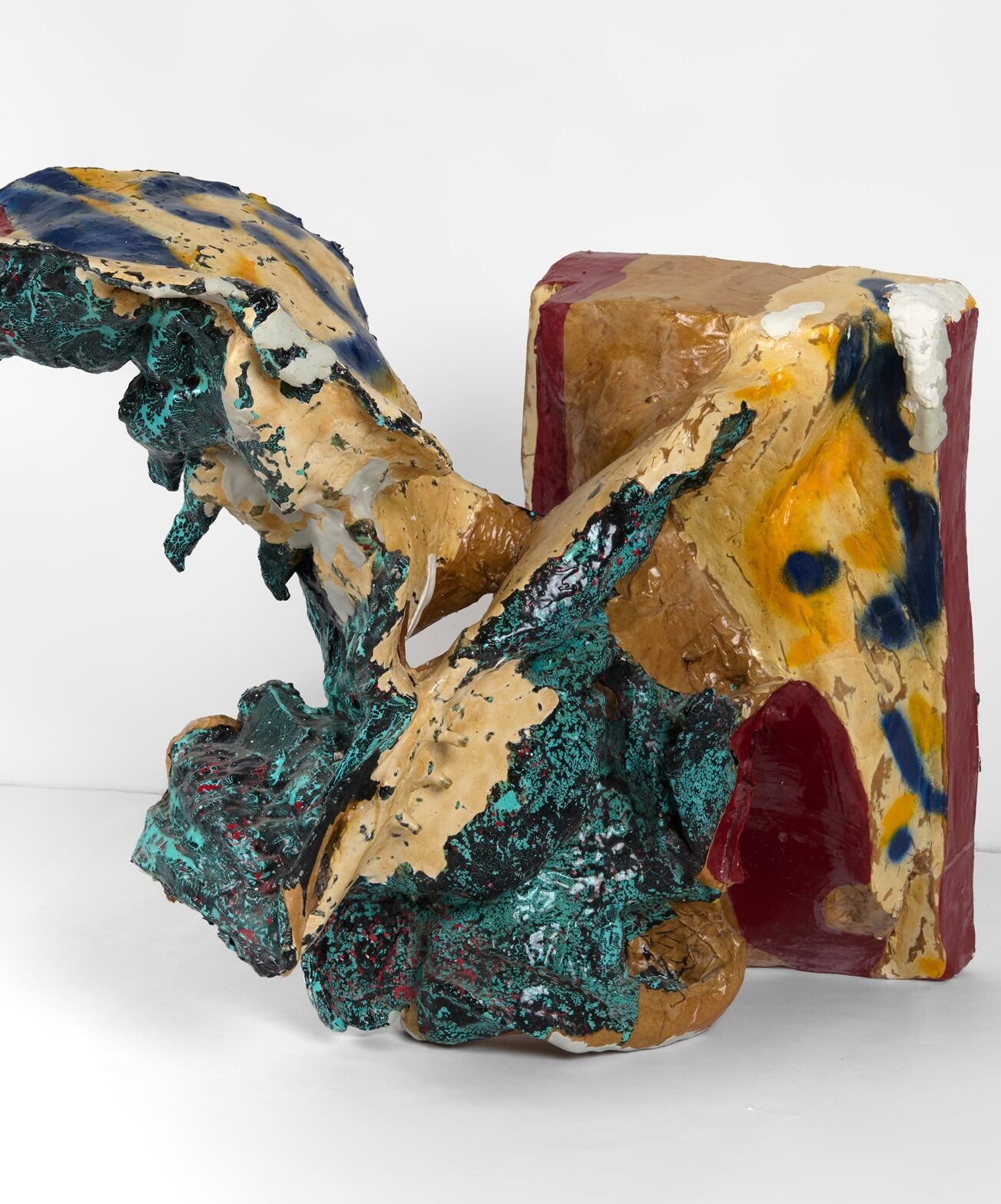
On view from May 23 – July 5 , a new exhibition at Geary Contemporary in Salisbury, A Line, A Shape, A Tool, explores the possibilities of contemporary sculpture, from the conceptual and diagrammatic to the almost-figurative. Geary Contemporary will present the work of Sun You, Pooneh Maghazehe, Russell Maltz, and William Corwin in their newly expanded gallery spaces in Salisbury.

The exhibition’s title is drawn from the short story by Will Heinrich, who has envisioned a series of stories inspired by the artists’ works. In this story, he recreates an evolutionary process (think the first sequence in Stanley Kubrick’s 2001: A Space Odyssey) in which a humanoid creature comprehends tools, memory, beauty, and utility, and begins to produce art. Conceptual sculpture is never without its visual and aesthetic aspect, and abstract and figurative sculpture will always have one foot in conceptual considerations; you can never exclude any of these ideas no matter how hard you try.

Geary will exhibit the works in dialogue with each other, allowing the viewer to juxtapose the simple inevitability of the geometries of Russell Maltz’s wall and floor-based installations with the writhing viscerality of Pooneh Maghazehe’s composite objects, and the light and colorful yet subtly dangerous assemblages of Sun You with the heavy, brooding cast-iron Art-Brut symbolic objects of William Corwin. Heinrich’s story will act as a primer for the show, attempting to follow (in a fictionalized interpretation) the line of reasoning that evolves into each sculptural subgenre. Opening reception May 23, 4–6 pm. Geary, 14 Main St, Salisbury—geary.nyc

Doug Tallamy’s Native Plant Movement Comes to Litchfield County

Doug Tallamy brings native plant movement to Litchfield County garden centers, boosting biodiversity and local conservation efforts.

Doug Tallamy has spent decades making the case that the most powerful conservation tool in America isn’t a national park, it’s your backyard. The University of Delaware entomologist, New York Times best-selling author, and co-founder of Homegrown National Park has built a movement around a simple idea: if enough people plant native species and remove invasive ones, the collective impact will exceed anything a government program could achieve. This spring, that idea takes root at three Litchfield County-area garden centers. Ward’s Nursery in Great Barrington, Paley’s Farm Market in Sharon, and Salisbury Garden Center in Salisbury have each partnered with Homegrown National Park to dedicate space to Tallamy’s designated Keystone Native Plants, the species that provide the most essential support to local ecosystems.

Shoppers will find pussy willow, Columbine, and black-eyed Susan, among other natives selected for their outsized benefit to pollinators, birds, and wildlife. The timing is right. Homegrown National Park has already mapped nearly 50,000 people committed to planting across more than 170,000 acres nationwide. Customers at participating nurseries will be invited to add their own properties to that map, becoming part of what may be the largest cooperative conservation effort ever attempted. “Keystone plants provide essential ecosystem services to the environment, without which the area’s inhabitants would struggle for survival,” Tallamy says. “Planting these species in your yard will support the butterflies, birds, and native animals that support all life–including ours.”

The Green Spot Brings Inspired Landscaping to Litchfield County

The Green Spot in New Milford offers native plants, landscaping, and ecological design rooted in Irish inspiration.

The Green Spot, a garden center and full-service landscaping company in New Milford, was born from a trip to Ireland, and that origin feels right. There is something about the lush, considered landscapes of the Irish countryside that captures exactly what the team has been building in Litchfield County ever since: spaces that feel inevitable, intentional, and alive.

Design, installation, maintenance, masonry, and build services are all on the menu, structured as a la carte offerings so clients can engage as much or as little as their budget and vision allow. First-time visitors are meant to leave feeling one thing above all: that a beautiful landscape is within reach.

“Anyone can pull beauty into their own landscape,” she says. “Even if it’s simply a small planter on a stoop to detailed gardens or natural meadows. We hope they leave knowing it’s all attainable.”

The plant selection reflects that same philosophy. Rather than stocking the expected, The Green Spot leans into native plants, rare and unusual varieties, and organic vegetables and herbs proven to thrive in this region. The inventory turns regularly, rewarding repeat visitors with something new each time they come through.

Native and pollinator-friendly plants are not a trend here, they are a conviction. The Green Spot treats them as essential, not optional, supporting the pollinators and wildlife that keep local ecosystems in balance. Watching those relationships play out across a season is, as the team describes it, a bonus.

Litchfield County’s four seasons shape every planting decision. The anticipation of a beloved shrub coming into bloom, the crescendo of summer perennials, the quiet release of fall color, these are not incidental. They are choreographed. A well-designed landscape tells a different story in every season, and that arc is considered from the start.

For homeowners feeling overwhelmed, the advice is simple: start with an idea. It might be a drainage problem, a missing walkway, or herbs near the grill. The Green Spot works from there, handling the details so clients do not have to carry them alone.

Recent projects have included removing nonnative species and replacing them with natives, watching the fauna return almost immediately. Another involved transforming a steep lakeside slope into a functional, beautiful space, using plants to filter groundwater and improve the water quality of the lake itself. It is the kind of thinking that defines the company’s approach: practical and poetic at once.

There is also something timelier at work. Horticultural therapy, the idea that tending living things restores something in us, feels especially resonant right now. Statuary, specimen plants, and containers that catch and reflect light invite people to pause, step outside the noise, and reconnect with what matters. A garden, The Green Spot would argue, is not an indulgence. It is an answer. —thegreenspotnewmilford.com

SavATree’s Arborists Decode What Litchfield Landscapes are Saying

SavATree provides science-based tree care, arborists, and plant health services across Litchfield County, addressing ticks, storms.

Tell us about SavATree. How did the company get its start?
SavATree was founded in 1978 by Ralph Robbins in Bedford, New York with a clear premise: tree care should be grounded in science, not intuition. Nearly five decades later, the company remains guided by that same commitment to environmentally responsible service, rigorous expertise, and client communication that actually means something. The goal isn’t just a healthier tree. It’s a homeowner who understands why.

What should Litchfield County homeowners be paying attention to this spring?
Two things, and one of them can’t wait. After a prolonged winter with heavy snow cover, we’re expecting to see stress and damage across a lot of properties, so an early assessment is smart. But the more urgent message right now is ticks. With the recent warmup, we are already seeing tick activity on properties, and this year the concern is especially high. Tick management cannot be stressed enough.

What are the most common problems you see in this region?
Hemlock woolly adelgid and spongy moth defoliation are ongoing. So are salt damage and winter injury from ice and snow. Deer pressure on ornamental plantings has been especially pronounced this year after such a harsh winter. We address these through integrated plant health care programs that combine monitoring, targeted treatments, and long-term preventive strategies tailored to each property.

What does it mean to be an ISA Certified Arborist, and why does that matter to clients?
ISA stands for the International Society of Arboriculture. Certified arborists are trained in tree biology, diagnosis, and proper care, meeting rigorous industry standards. In Connecticut, state licensure is also required. Together, both credentials mean the recommendations clients receive are science-based, not guesswork, and that the person making them is accountable to a professional standard.

How does SavATree approach lawn care differently from a standard lawn service?
Our lawn care programs take an integrated approach that focuses on long-term soil and turf health rather than quick cosmetic results. We carefully select premium products and treatments that are both effective and environmentally responsible. By evaluating soil conditions, nutrient needs, and pest pressures together, we create programs that strengthen lawns while minimizing unnecessary inputs.

Storm damage is a real concern in the Northeast. How does SavATree help?
We work on both ends. Before a storm, proactive measures like structural pruning and cabling can significantly reduce the risk of failure. After a storm, we respond quickly, prioritize hazards, and remove compromised trees or limbs safely. Active clients receive priority service and direct arborist support, so they’re not left waiting when it matters most.

What do you love most about working in Litchfield County?
The community has a genuine appreciation for natural beauty and historic landscapes that you don’t find everywhere. Our clients are passionate about their trees, and that makes the work feel meaningful. When we have time in the schedule, you can find us at the Smithy Café or out on the trails at White Memorial Conservation Center. —savatree.com

Watertown Meat Center Expands with Lake Delivery

Watertown Meat Center offers premium meats, prepared foods, and new lake delivery service for convenient weekend dining.

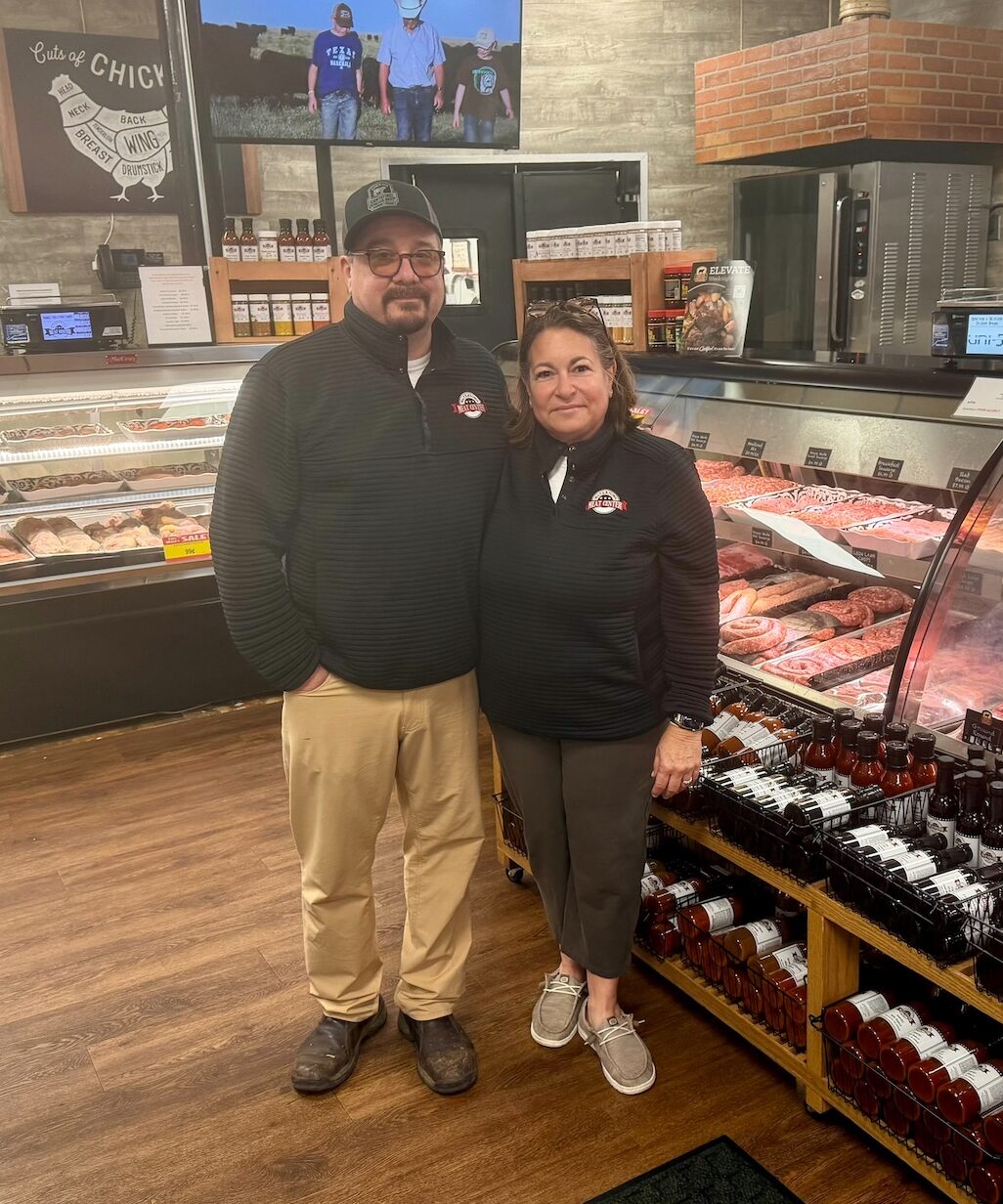
Lou and Holly Capobianco opened Watertown Meat Center in 1983, and for more than 30 years it was a quiet Litchfield County secret. Then, in April 2016, Carmine and Jessica DiSapio came along.

Carmine grew up in the grocery business, working alongside his father at Pat’s IGA in Wolcott from the time he was 14. His wife Jessica was owner/ teacher of Ledgewood Private Preschool in Watertown, but the two shared a long-running joke about buying the Meat Center someday. When Carmine’s sister mentioned it offhandedly to the owner while shopping one afternoon, a phone number changed hands and the rest, as they say, is history.

“Ten years later we’re working side by side every day,” she says, “and I am still crazy about him. Most of the time.”

Now, Watertown Meat Center is expanding its reach with home delivery to Bantam Lake, Woodridge Lake, and Lake Waramaug, launching this season. Deliveries will run on Fridays, with insulated coolers left at a designated spot and swapped the following week. Orders can be placed through the store’s online portal. The service is designed with lake-house weekenders in mind, arriving with everything needed for a long weekend, no errands required. No lake house? The store in Watertown is worth the drive.

The store itself is just 4,800 square feet, but every inch is intentional. Since taking over, the couple has renovated nearly the entire space, most recently completing the back line of the store, including the deli, chicken, and fish cases. They expanded the refrigerated produce section and reconfigured floor displays to make the most of the space. Carmine’s passion is produce. Jessica’s is people, presentation, and they both are unwilling to cut corners.

All beef is Certified Angus. Fresh ground beef is made only from premium cuts. The full-service meat case lets customers choose exactly the steak they want, cut to whatever thickness they prefer. At Christmas, the store fulfills more than 600 custom meat orders. Fresh seafood comes from Tony’s Seafood, with salmon and store-stuffed shrimp among the consistent favorites.

The prepared foods department has become a destination of its own. Chicken Roll Ups, stuffed with combinations like cordon bleu or provolone and asparagus, go straight from the case to the oven. Homemade mashed potatoes come in traditional, garlic, and sweet potato varieties. Pot pies are made with chicken pulled from rotisserie-roasted breasts, not precooked shortcuts. Crockpot meals, heat-and-eat entrees, and a full selection of prepared vegetables round out a lineup designed for people who want a real dinner without the full effort. Seniors shop on Tuesdays for a ten percent discount, and the in-and-out ease of a smaller store makes it a natural fit.

The store supports local at every turn, carrying products from area farms, dairies, cheesemakers, honey producers, and coffee roasters. Nothing goes to waste. Surplus product near its code date goes directly to a volunteer network that feeds unhoused individuals and families transitioning off the streets. Orders and information at watertownmeatcenter.org

What Acupuncture Gets Right About Women’s Hormonal Health

springRoot Acupuncture in Woodbury offers holistic fertility and hormonal care, blending acupuncture with modern reproductive therapies.

Rachel Beth Dorfman, licensed acupuncturist and founder of SpringRoot Acupuncture & Wellness in Woodbury, has spent more than 20 years treating women’s hormonal health and fertility care.

How has the treatment of women’s hormonal health evolved over your 20 years of practice?
Years ago, I primarily treated menstrual cramps. Now I see women of all ages, menarche through menopause, for all different reasons. It’s exciting to be practicing within this cultural shift where women are talking about what’s happening at every age with our bodies. Women are more empowered now and want to know that they have choices when it comes to their healthcare.

So many women are told painful periods are normal. What do you say to that?
They don’t have to be. There are solutions. I love acupuncture as an option because it looks at the whole picture and balances the cycle naturally without the side effects of birth control pills or symptom management, like over the- counter medications. With frequency and consistency of treatment, women’s cycles often regulate naturally.

What is Life Fertility BioTherapy™?  
I have worked with fertility patients for years, but adding Life Fertility BioTherapy™ to my practice has been a game-changer. It is a renowned fertility program that has helped couples worldwide conceive and have successful pregnancies, naturally or with the help of reproductive medicine like IUI and IVF. Acupuncture has a long history of supporting reproduction, but Life Fertility BioTherapy™ is a refined approach that integrates the time-tested science of acupuncture with modern medical solutions. I have seen remarkable results since adding it to my practice.

You also treat male infertility. What do couples most misunderstand about that?
The understanding of male factor playing a role in a couple’s ability to conceive is definitely gaining traction. Studies acknowledge that men contribute to 40 to 50 percent of infertility cases. Unlike previously thought, there is a male biological clock, and semen quality is shown to decline with age. Lifestyle, environmental pollution, and psychological and oxidative stress all affect count, motility, morphology, and the genetic integrity of sperm. Life Fertility BioTherapy™ incorporates care for both partners. Especially when combined with proactive lifestyle changes, sperm quality can improve rapidly.

Can you explain the connection between chronic stress and fertility, and how acupuncture can help?
It is my understanding that stress has not been shown in studies to be a causal factor of infertility. Despite this, a recent study showed that 69 percent of women seeking fertility care believed that stress could reduce their success with fertility treatment, 29 percent believed that stress could cause their overall infertility, and 31 percent believed that stress could cause a miscarriage. There’s no denying that we live in stressful times, or that stress has been shown to negatively impact biomarkers. Chronic stress can also contribute to lifestyle choices that hurt fertility: we tend to sleep poorly, eat too much, exercise less, and turn to substance use. One of the things I love about Life Fertility BioTherapy™ is that sympathetic and parasympathetic nervous system balancing is built into the program. Over time, we nourish and support resilience at a biological level. Acupuncture does this even when not focusing on fertility.  —springrootacupuncture.com

The Wealth Group at Union Savings Bank on Lasting Legacies

Union Savings Bank helps families plan generational wealth, blending financial strategy, values, education, and legacy preservation.

For the Wealth Group at Union Savings Bank, generational wealth is about far more than the financial assets passed from one generation to the next. The intangible resources, family values, education, and the stewardship of what’s been built, are equally important to preserving a lasting legacy. That work, however, is rarely simple. Complex family structures, competing inheritance expectations, and the challenge of dividing a family business can all create conflict. Even decisions like naming an executor or trustee can prove more difficult than families anticipate. The foundation of any successful wealth transition, the team says, is open communication, early and often.

How do you navigate sensitive conversations about inheritance and legacy?
Communication is key, with a focus on sharing family values rather than merely discussing balance sheets. A wealth advisor and estate planning attorney can help facilitate these conversations. Sharing family stories about wealth and philanthropic goals in group settings or through oneon- one conversations is a great start. One unique advantage we offer is the ability for Union Savings Bank to serve as a corporate fiduciary. Naming Union Savings Bank in this role removes the burden from family members who may not have the time or expertise, and helps preserve harmony and objectivity within the family.

How do you prepare the next generation to manage wealth responsibly?
Having a plan is essential. This includes not only education, but everyday experiences through mentorship programs or philanthropic activities. Introducing heirs to advisor relationships and providing hands-on management experience is critical to a successful transition.

How has the concept of legacy evolved among your clients?
For both family businesses and personal wealth, legacy has shifted as social media and AI have changed the way we work. In today’s environment, blending traditional values with modern business strategies is essential to building something lasting.

What are the key components of a strong wealth transfer strategy?
Establishing clear goals is the first step. Professional guidance is crucial in creating an estate plan with all the proper documents. Naming beneficiaries on accounts such as IRAs and life insurance contracts ensures a seamless transfer, while tax planning and investment management preserve and grow wealth.

How do you tailor planning for multi-generational families?
By creating a plan that addresses individual needs while supporting the family’s legacy as a whole— protecting assets, minimizing tax exposure, planning for today’s cash needs, and building a charitable giving legacy that aligns with the family’s values.

What misconceptions exist about estate planning?
That it is only for older, wealthy individuals. Regardless of age or estate size, a comprehensive plan matters for everyone. While a will is critical, incapacity planning, healthcare directives, end-of-life wishes, and tax minimization should not be overlooked. Beyond finances, how do you help clients define what values their wealth carries forward? There has been a meaningful shift from strict technical planning to a more value-driven approach. By aligning financial advice with a client’s core values, we can create a more purposeful generational wealth plan; one with a clear vision, mission, and governance structure.

To receive a complimentary copy of The Wealth Group at Union Savings Bank ’s Guide to Generational Wealth, contact them directly at 860-567-6411. For a full list of team members titles, and insights, visit unionsavings.com/wealth

The Iconic Waterfall Hikes of Kent Falls State Park

Kent Falls State Park offers scenic hikes, cascading waterfalls, and peaceful spring views just minutes from Kent.

By D.H. Callahan

Kent falls is Beautiful all year round. From the mammoth icicles of the winter months to the vibrant leaf-peeping destination of autumn, and the lush summer months, when the park is filled with picnickers, there’s really no bad season to pick. But the spring seems extra special, as the waterfall rages from an overflowing river, and nature reawakens with budding leaves and speckles of colorful flowers.

The park is a little less than a ten-minute drive north from the quintessential New England town of Kent, where art and food and adorable shops abound. Hikes here can be a bit of a climb, but they’re all loops under two miles, so if you can handle a little incline, you’ll be fine. For all of them, there’s a set of stairs that ascend the cliffs next to the waterfall. This is where the real magic of the park lies. Along that path, you can find little spots to pull off and enjoy the peace. It’s not exactly quiet, as the waterfall rushes dramatically this time of year, but there are moments of pure natural beauty to be found. Bring a book, or a mind ready to declutter, and let the natural sound bath of the falls soothe your whole being. Of course, this may be easier on a weekday, when the parking lot isn’t packed.—ctparks.com

  • STAY IN THE KNOW

    Your weekly guide to can't-miss events, hidden gems, and local favorites in Litchfield County. Sign up now for curated things to do, eat, and explore—delivered every week. It’s free. It’s local. It’s essential.

  • Karen Raines Davis