

Your guide to the heart of Litchfield County:
Discover local stories, hidden gems, and must-know events.

Herbal Teas That Capture Spring’s Flavor and Aroma

In Pursuit of Tea brings ethically sourced, single-origin teas and herbal infusions from Cornwall to curious drinkers.

As chamomile, elderflower, and lavender bloom in Connecticut this spring, tea purveyor Sebastian Beckwith and his business partner Ana Dane bring bright floral and citrus notes to herbal tea.

In Pursuit of Tea brings ethically sourced, single-origin teas and herbal infusions from Cornwall to curious drinkers.In Pursuit of Tea operates between Cornwall and New York and is known for ethically sourced, single origin teas. Beckwith and Dane are passionate about building personal relationships with tea farmers and preserving ancient hand-picked harvesting traditions, along with the subtle flavor nuances they produce. For that reason, they rarely blend teas or add flavors—a trait that sets them apart from many other U.S. tea companies.

The company began in 1999, after Beckwith, who grew up in Cornwall, made several journeys through the Himalayas as a trekking guide and became fascinated with the tea gardens there.

“There was so much complexity of flavor and aroma,” he says. All that complexity comes from just one plant. Camellia sinensis is the source of all six types of true tea: white, yellow, green, oolong, black, and dark. The differences come from how the leaves are harvested and prepared.

Herbal tea, Beckwith explains, is separate from true tea—more accurately called an infusion or tisane. For those new to tea, herbal infusions can be an inviting place to start. Unlike true teas, which are sensitive to water temperature, herbals are more forgiving.

Beckwith encourages people to step outside their comfort zones and explore beyond familiar favorites like chamomile and mint.

“I love lemon verbena; it’s amazing,” he says. He also recommends elderflower, linden, and a Greek mountain flower tea called Mount Olympus, describing their flavors as “unexpected.” Infusing the herbs into cocktails, cakes, or ice creams can add even more variety.

Despite their expertise, Beckwith and Dane are far from pretentious. Instead, they take joy in connecting with others over a cup of tea.

“We really get to have that experience of sitting down with someone and introducing them to a new flavor, which is pretty fun to do. And you get to do that over and over again,” says Dane. “Just being able to have that shared connection over, ‘Wow, this is amazing; I’ve never tasted anything like this’—we hear that a lot.”

Tea can be purchased online and in local stores such as the Cornwall Market, Warren General Store, or John Robshaw in Falls Village.

For those interested in trying something new or connecting with others over tea, In Pursuit of Tea will host tea sits in Cornwall twice a month, as well as a tea-and-ice cream event at The Pink House this summer. Private tastings are also available.

“We just enjoy the process and the culture, and seeing these different regions, and then introducing that a little bit to people here in whatever way that we can. Tea is sort of a bridge to a culture or a flavor,” says Beckwith. Start with an herbal infusion or a tea tasting, and see where that bridge might lead.–inpursuitoftea.com
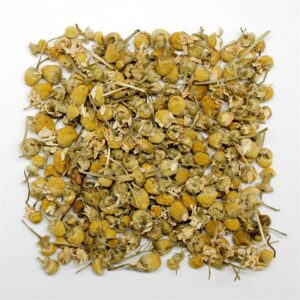
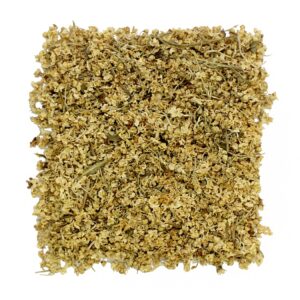
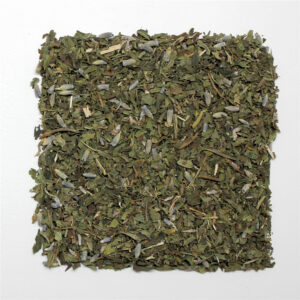
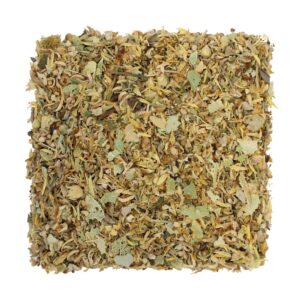
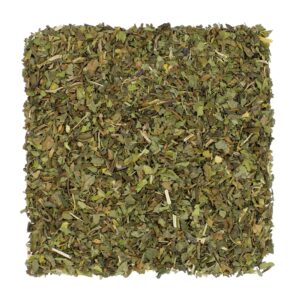
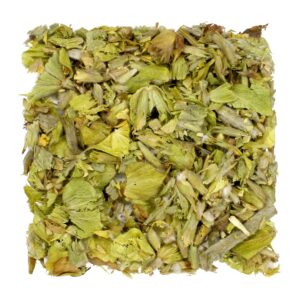
(Clockwise starting from top left) Chamomile, Elderflower, Lavender Mint, Mt. Olympus, Mint, and Linden herbal teas, or infusions, from In Pursuit of Tea. These are made from flowers and other plants beyond the regular Camellia Sinensis tea plant and thus are naturally caffeine-free and less sensitive to temperature and steep time. Simply infuse in boiling water and enjoy.


The Healing Power of Birding

If the early morning chorus of birdsong outside your window sounds more like a racket than a symphony to you, it’s time to reconsider.

Finding joy and calm in Litchfield’s wild spaces
By Wendy Carlson
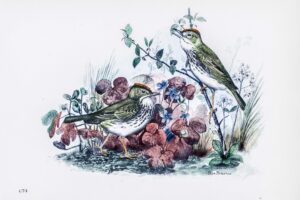
Illustrations by Rex Brasher

If the early morning chorus of birdsong outside your window sounds more like a racket than a symphony to you, it’s time to reconsider. Turns out that tuning into the avian world can make us happier. New studies have shown that birding, the act of observing and listening to birds, can reduce anxiety, stress, and depression by directing our attention outward. The therapeutic practice of observing birds, known as ornitherapy, has been likened to forest bathing and sound bathing, which promote mindfulness, strengthen our connection to nature, and inspire a sense of wonder, ultimately leading to relaxation and a sense of well-being.

So, maybe there’s some truth to the expression “the bluebird of happiness”.

Woodcock Print

“I think that almost everyone can appreciate the beauty, wildness, and charm these animals bring to our lives, whether we live in an urban landscape or on the slope of a mountain somewhere. Their songs move us, comfort us, and arouse curiosity in us,” says Sharon Audubon naturalist Bethany Sheffer.

Wood Duck print

You don’t have to be a globetrotting bird enthusiast to reap the health benefits of birding. The 4,000- acre White Memorial Foundation in Litchfield, with its diversity of habitats including woodland, water, six miles of river frontage, and 40 miles of trails, is rated one of the top five birding hot spots in the state. The Foundation lists 240 bird species and is known for its nesting warblers, with 15 or more species breeding.

Litchfield County is also home to two national Audubon centers: The Sharon Audubon Center and Miles Wildlife Sanctuary and The Bend of the River Audubon Center and Sanctuary in Woodbury. In spring, both host free guided bird hikes and hold monthly-themed programs like “Tech Assisted Birding.” Fee-based guided tours and private photography sessions are offered at Ripley’s Waterfowl Conservancy in Litchfield, which features more than 90 species of rare and endangered birds.

Redstart Print

If you can’t tell a Barn Swallow from a Tree Swallow without reaching for a guidebook, no worries. Birding has become much easier for beginners with the availability of bird ID apps and bird song ID tools that help newbies recognize species quickly and identify birds by sound. Tech has helped birding become an increasingly popular hobby in the United States with the U.S. Wildlife and Fish Service reporting that nearly one-third of adults in the United States engage in some form of birding, whether it’s observing birds in their natural habitats, creating bird sanctuaries, or keeping watch on backyard feeders.

Ovenbird Print

Beyond making us feel happier, birding enhances our cognitive function and teaches us patience, says Geri Griswold, White Memorial’s director. Bird watchers might start by learning species names, but move on to studying behaviors, breeding rituals, migratory patterns, and habitats. Griswold finds the stories of each bird fascinating. “You become aware of habitats and the other plants and animals that share theirs with birds,” she says. She eagerly awaits the first Woodcock, Ovenbird, Wood Duck, American Redstart, Bobolink, and Wood Thrush; and, of course, the harbinger of happiness, the Bluebird.

Bluebird Print

Beautiful illustrations of spring birds by Rex Brasher. In his lifetime, Brasher painted every bird species in North America; and, notably, he painted more birds than James John Audubon. Learn more about his life in Kent and view his work: rexbrasher.org

Rex Brasher, world famous artist, ornithologist, and Kent resident whose detailed artwork of birds illustrates this story, died in 1960. But bird lovers pay homage to the artist by visiting his grave at Morningside Cemetery in Gaylordsville.


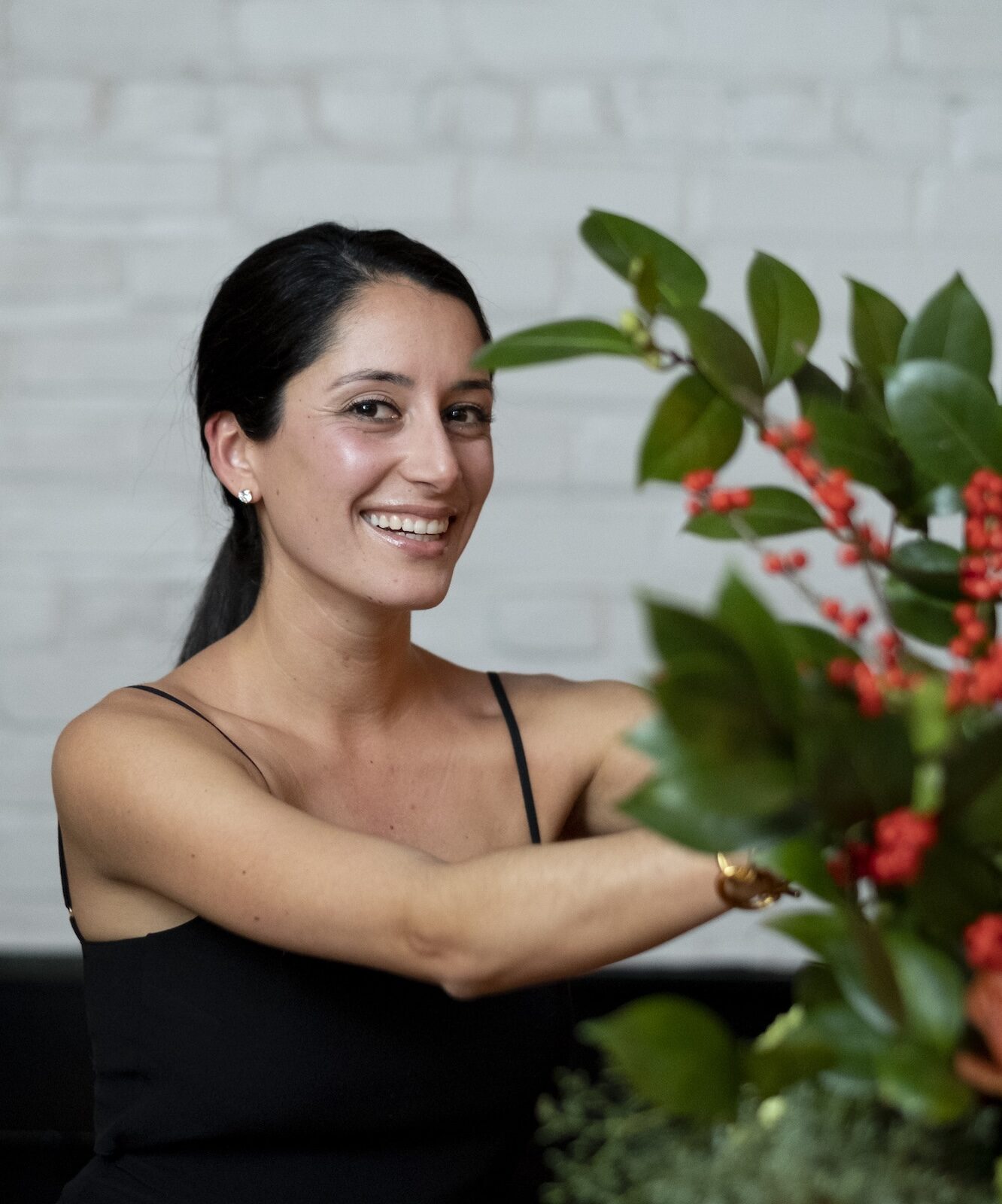
Mileen Zarin Events: The Art of the Occasion

Event planner Mileen Zarin creates elegant garden celebrations blending nature, design, and meticulous detail seamlessly.

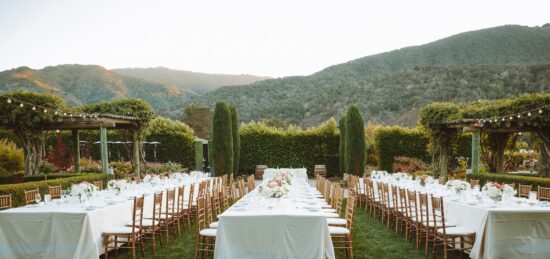
When Mileen Zarin plans an event, the setting is everything.The event planner splits her time between New York City and the Litchfield Hills, and has built a reputation for producing exceptional celebrations in landmarks, storied institutions, and gardens–places where nature and elegance meet in equal measure. With a meticulous eye for design, Zarin approaches each gathering the way a gardener approaches a landscape, with intention, patience, and an understanding that every element must work in harmony. She layers florals, lighting, textiles, and architectural detail into experiences that feel as carefully composed as the outdoor spaces that frame them. No two events are alike, and that is precisely the point. She has worked at some of the most celebrated horticultural venues in the country, including the New York Botanical Garden and Filoli Historic House and Garden in California, bringing a deep appreciation for the natural world to every occasion she produces. Her client list spans intimate garden dinners, destination weddings, and high-profile philanthropic galas, each executed with the same calm precision and creative vision. For anyone dreaming of a garden celebration that is as thoughtfully planned as it is breathtaking, Mileen Zarin Events delivers with grace. —mileenzarin.com

What Every Great Garden Party Needs

Golden Hour
Regardless of start time, ensure your party peaks at sunset. There is nothing better than that amber glow before transitioning into the evening with ambient lighting.

Garden-to-Palate
Create a tangible connection to the garden with botanical cocktails and onebite hors d’oeuvres. Guests should mingle effortlessly without being tethered to heavy plates or cutlery.

Texture and Bloom
Design around what is currently flowering. Layer cohesive textiles, furnishings, and decor with varying textures.

Level the Playing Field
Provide heel stoppers and utilize hidden plywood under rugs to create stable furniture islands on soft or uneven terrain.

The Prepared Landscape
Look beyond the tent. Pretreat the lawn and conceal climate control. Tuck away repellent and candles so your event remains unaffected by the elements or uninvited pests.

Discreet Infrastructure
Position service paths and stations out of the guests’ line of sight and nestle audio equipment within the foliage. Seamless hosting relies on what remains unseen.

Where Childhood Meets the Working Farm

Arethusa Farm Camp offers hands-on agricultural education, connecting kids with animals, sustainability, and farm-to-table practices.

Arethusa Turns 140 Acres into a Summer Classroom

By Clementina Verge 

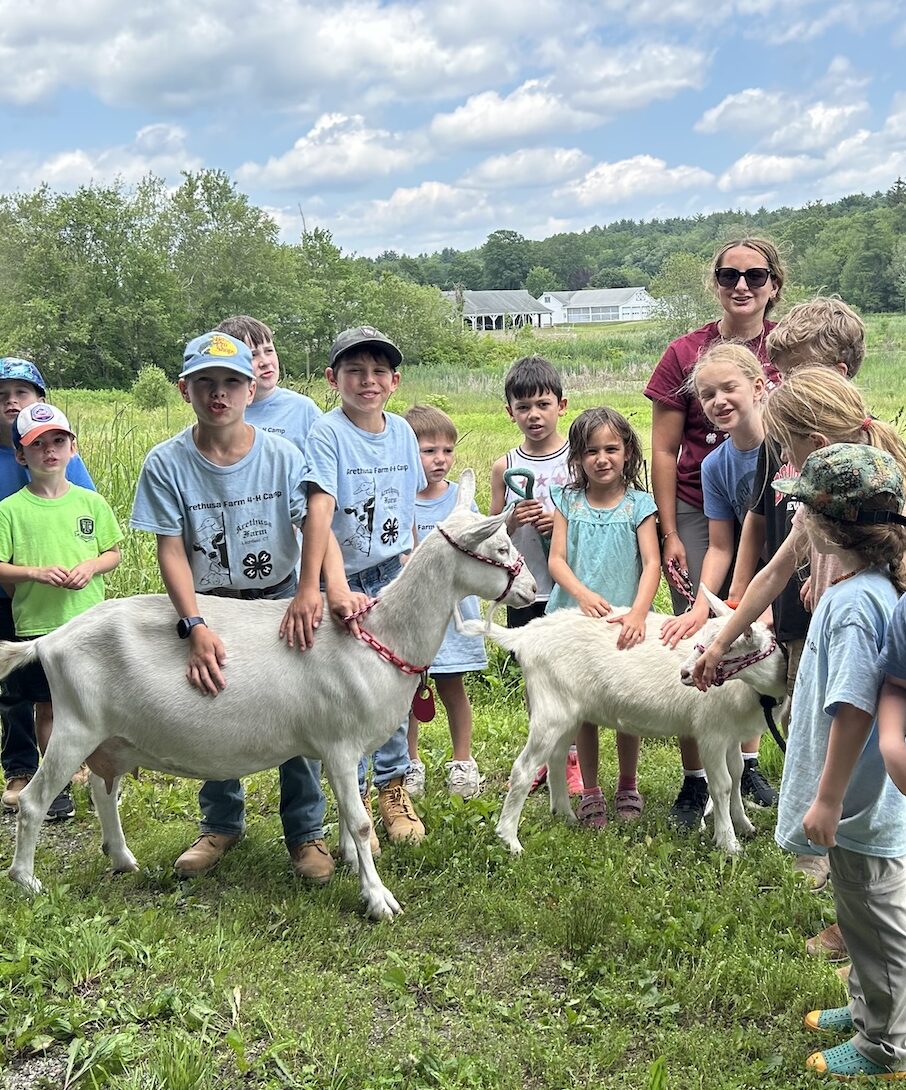
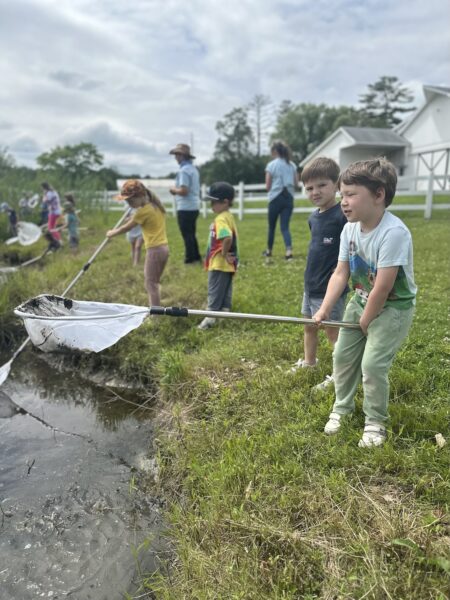
As children care for cows and goats, await poultry incubation, and learn about tractor maintenance, their days at Arethusa Farm Camp provide exciting opportunities to connect with nature, learn sustainable practices, and cultivate a lifelong appreciation for where food truly comes from.

Here, children replace screens with fresh air, and step into the daily rituals of a working farm that once housed the nation’s leading dairy cattle. What unfolds over the course of each weekly session, June through August, is not simply recreation, but an authentic agricultural experience.

“There are increasingly fewer farms, less connection to agriculture and food sources,” says newly appointed executive director Bill Davenport, a lifelong Litchfield resident and seasoned agriscience educator. “We strive for children to learn appreciation for farms and farmers, for local food, and for open land. It becomes a lifelong connection to all aspects of agriculture as we nurture the next generation.”

The camp is one of the most visible ways that Arethusa Farm Foundation, established in 2023, honors the donation of 140 acres by philanthropist Anthony Yurgaitis, who envisioned preserving the land’s rural character while establishing a center for agricultural education for all ages. Honoring the mission, camp days are thoughtfully structured, tactile, and joyful.

Arethusa was established in 1868 and named after an orchid that grew in a swamp on the land. Almost 160 years later, children ages five to 13 explore its meadows and woodlands, observe wildlife, and go hiking and fishing. Among garden beds, lessons in soil science, composting, and companion planting abound, while beekeeping emphasizes the importance of pollinators in balancing sustainable ecosystems.

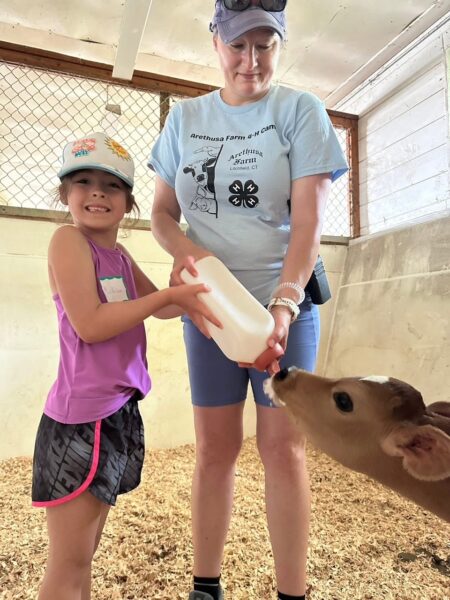
The experience continues in barns and pastures where, under expert guidance, children learn the fundamentals of animal care—from feeding and grooming, to understanding the needs of horses, cows, pigs, sheep, and goats. Veterinary sessions include professional guest speakers who share core concepts, discuss current issues, and offer practical insight into animal health, bridging science with real-world application—like learning to suture—in a way that feels engaging and empowering, evidenced by children’s enthusiasm and parent feedback.

“Parents tell us that children go home exhausted, excited to go to bed and to return in the morning. It’s a win-win,” Davenport jokes. He also notices markedly increased confidence in children as they acquire skills and practice creativity through using tools, woodworking, and handling farm equipment. Whether they are taking measurements, building birdhouses, repairing a fence, or checking fluid levels and tire pressure, the experiences leave an imprint.

By week’s end, the transformation is noticeable in campers gushing with stories, carrying a deeper awareness about the “farm to table” process, and displaying a sense of independence and connection increasingly lost in modern childhoods molded by technology.

With more than three decades of experience spanning teaching and 4-H leadership, Davenport brings expertise and authenticity to the foundation’s expanding programs. This commitment ensures that initiatives like the summer camp remain a priority, nurturing the next generation with an understanding of agriculture and sustainability. Adults will find inspiration and hands-on education here, too, whether they’re acquiring new skills or deepening existing passions.

Camp registration is open until filled, sign up at arethusafarmfoundation.org

Lee Link’s 26-Acre Garden Defies Swank With Pure Style

Lee Link’s Sharon retreat reflects evolving gardens, understated style, and a deep connection to place and comfort.

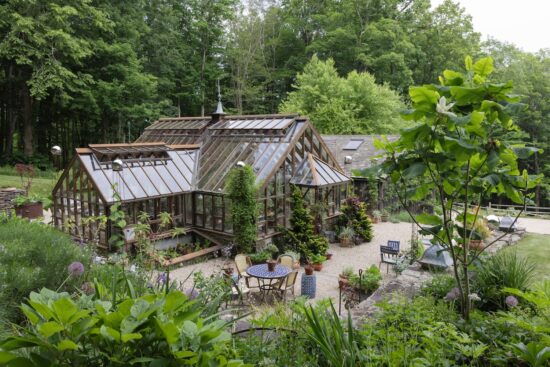
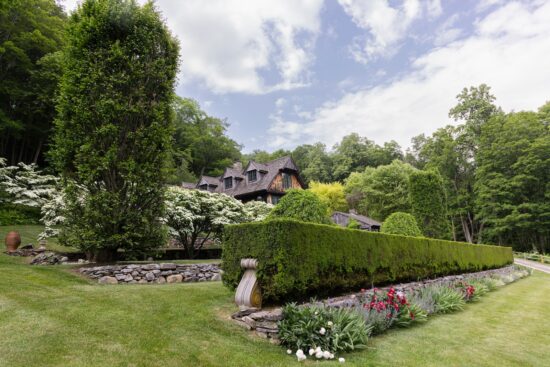
Lee Link wants her land to stay grounded. Sense of place is everything to her. So yes, 46 years ago, Lee Link and husband Fritz bought the very modest A-frame on the strength of its breathtaking views. But Lee is always keenly aware that the house and land are located in rural Sharon. “I don’t want it to get too uptown,” is how she puts her efforts to put swank at bay. However, the woman has infinite style. And her savvy is readily apparent wherever you turn. Plus, as an added perk, Lee continually reassesses the picture, keeping it current, making improvements, revamping if necessary. Considering that the Links have stewarded their acreage for nearly half a century, every element is relevant to the family’s living style now. It’s all carefully thought out and tweaked. Every square foot feels relaxed and right. When you visit Lee Link, you just feel at home.

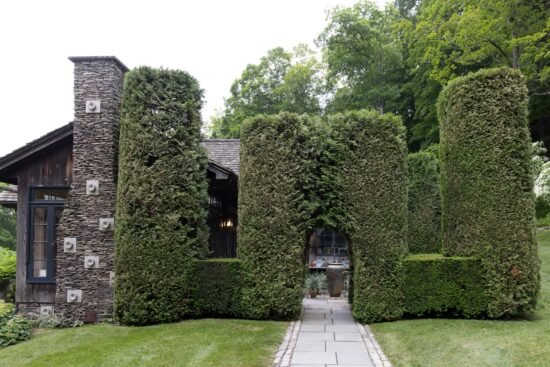
Not long after the Links came to Sharon, the A-frame sprouted wings. The first addition officially celebrated the view, and the vibe. Not everyone immediately thinks of adding a summer, open-air sleeping porch to their floor plan, but an addition with a modest daybed was an early move. It’s the sort of unassuming room where you just want to take an afternoon snooze or maybe read accompanied by that incredible view. No black flies invited in. And during winter, the room is closed down. Three years later, a conservatory and indoor dining room were added to expand on the snug kitchen and living room where the family formerly entertained. “The table easily seats eight with a working fireplace at the end,” Lee describes the room’s perks. With yawning windows, thanks to Michael Trapp, the room is home to Lee’s collections of succulents and geraniums. The conservatory is where you enter after slipping through a clipped arborvitae hedge that has matured to create a magnificent castle-like courtyard. No matter what time of year you visit, your arrival is a botanical event. Ditto for the addition of an expanded screened porch with sofa and dining table added on the other side of the A-frame to balance the conservatory wing. “I’m all about symmetry,” Lee admits.

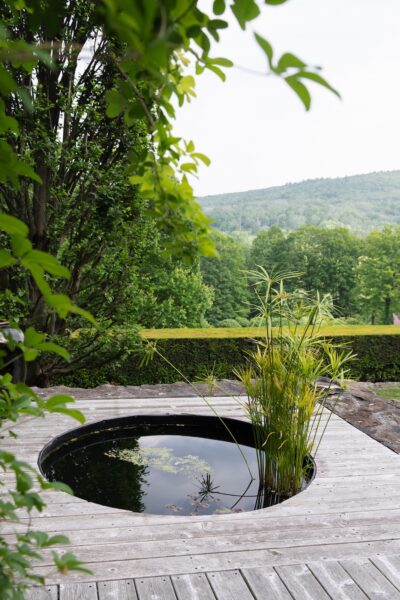
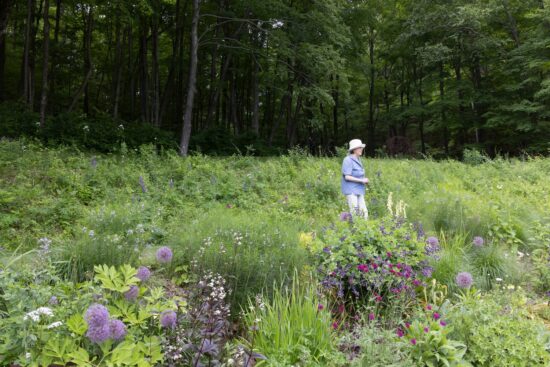
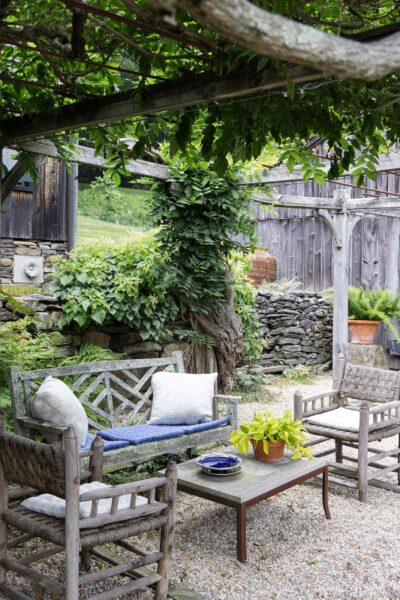
The gardens are equally creative and they kicked in almost immediately after Lee, Fritz, and their son moved in. It started with a woodland garden that owes its hosta bounty to a nursery with a surplus, nearly giving their superabundance away for only $1 apiece. Ferns were added, plus it has “a few nice woodland things,” as Lee modestly puts it. Gardens were also installed around the house, but each has transformed with the family’s evolution. “The hardest part of gardening is editing,” Lee declares, but that’s where she excels. A former perennial garden ultimately felt fussy and its maintenance was continually distracting Lee from her porch relaxation time. Instead, she removed the fussy features and moved in some multi-stemmed kousa dogwoods that formerly lined the entry drive, smartly framing the trees with cobbling. Similarly, when the vegetable and cutting garden began to feel like a burden rather than a beautiful interlude, it was simplified. Meanwhile, a vine-wrapped pergola screens in the outdoor shower while a former hot tub, made redundant when a pool and pool house were installed, now hosts aquatic plants. It’s all very blissful. And impeccably stylish. Constant reassessment being the not-so-secret formula.

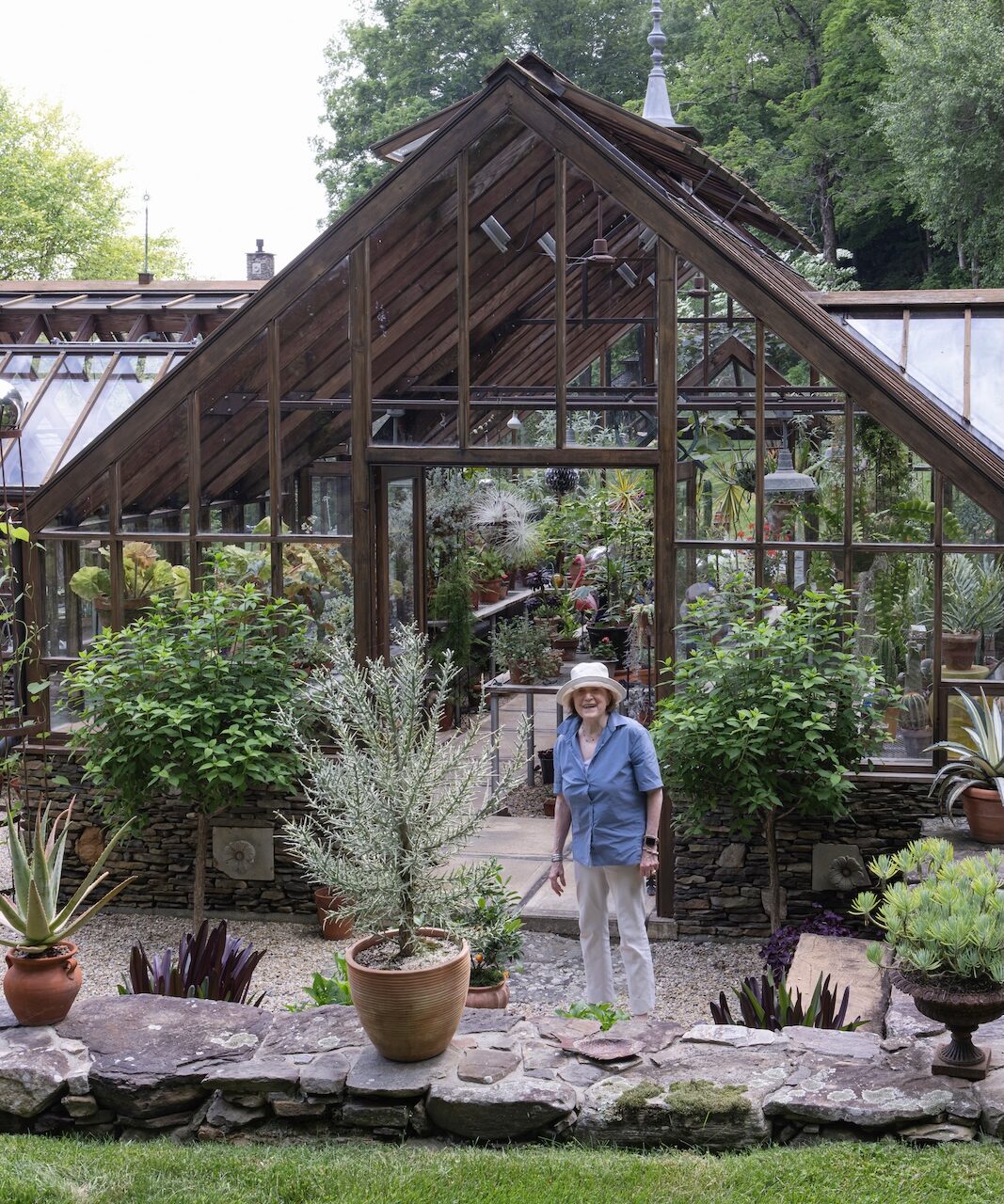
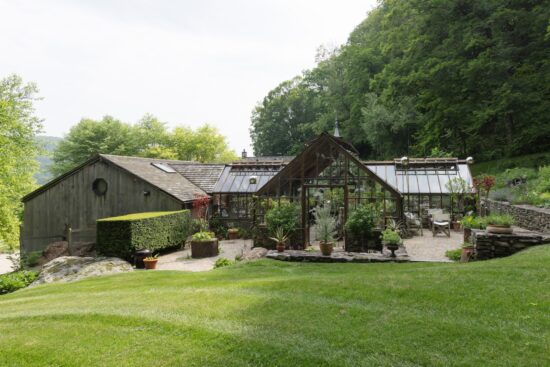
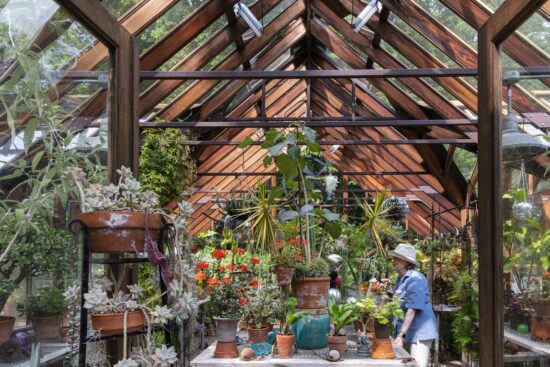
Of course, Lee is invariably modest and credits her friends as constant resources, especially Bunny Williams (“Everything stems from Bunny”) and Michael Trapp. When Lee needs something wonderful to cap off an idea or turn it up a notch, Trapp finds the goods. And evolutions are continually in the wings. For example, there’s the greenhouse. The time came when the conservatory couldn’t contain Lee’s plant collection or lust to be surrounded by nature in the winter. That’s when the greenhouse sprouted behind the garage. Designed and crafted by Stan Dzenutis, “the greenhouse is a masterpiece,” Lee describes its presence. And the jewelbox-like ecosystem isn’t lost on Lee, who spends two to three hours in it daily when weather doesn’t allow her to putter around outside. “The greenhouse is my happy place if I’m feeling a little overwhelmed,” she says. “The fragrance hits you immediately when you walk in. It’s sort of madness, but you can’t help thinking, ‘this is good.’” In summer, plants and souvenirs from travels overflow onto the surrounding terrace.

It’s all good. Despite her efforts to keep the family’s 26 acres from being uptown, it is undeniably a jewel in Sharon’s crown.

Gretchen Mol Blazes New Creative Paths in the Berkshires

Gretchen Mol balances acting, design, and family life, drawing creative inspiration from her peaceful Berkshires home.

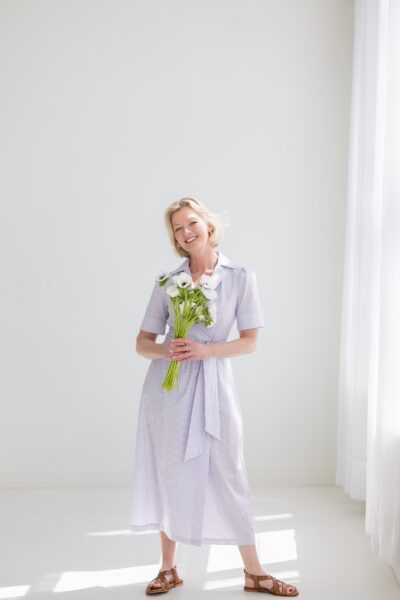
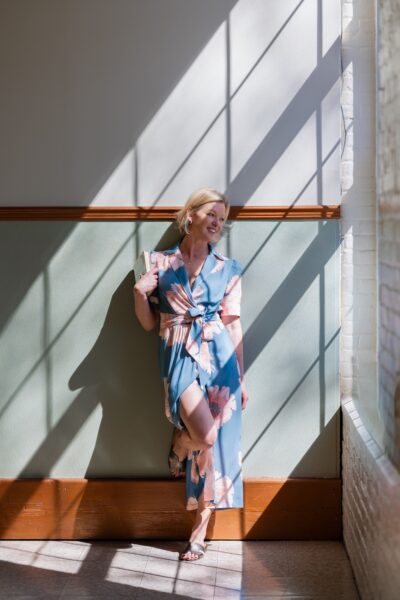
“When you walk out the door, you have to have a good feeling,” says Gretchen Mol, referring to her home in the Berkshires. “I also have brain space for creativity.” After years navigating theater, film, and television amid New York City’s relentless pace, Mol and her family traded subway stops for mountain views in 2020. The shift hasn’t slowed her prolific output. She’s been busy filming the fourth season of “Tulsa King” with Sylvester Stallone, and her upcoming feature film, Horsegirls, is slated for release in May. Rather, it has unleashed new creativity. The actor recently added “designer” to her résumé, launching clothing line Gretchen M in 2024. The creative life always appealed to Mol, who grew up in Deep River in southern Connecticut. She recalls a childhood with space to explore her talents, initially starring in her brother’s Super 8 films, later in high school musicals. She went on to study at the American Musical and Dramatic Academy and worked as an usher at New York City’s iconic Angelika Film Center while auditioning for the stage and screen. Since then, she’s been cast in more than 50 films, theatrical productions, and television series, embodying iconic characters like Bettie Page in The Notorious Bettie Page, Roxie Hart in the Broadway production of Chicago, and Gillian Darmody in HBO’s “Boardwalk Empire.”

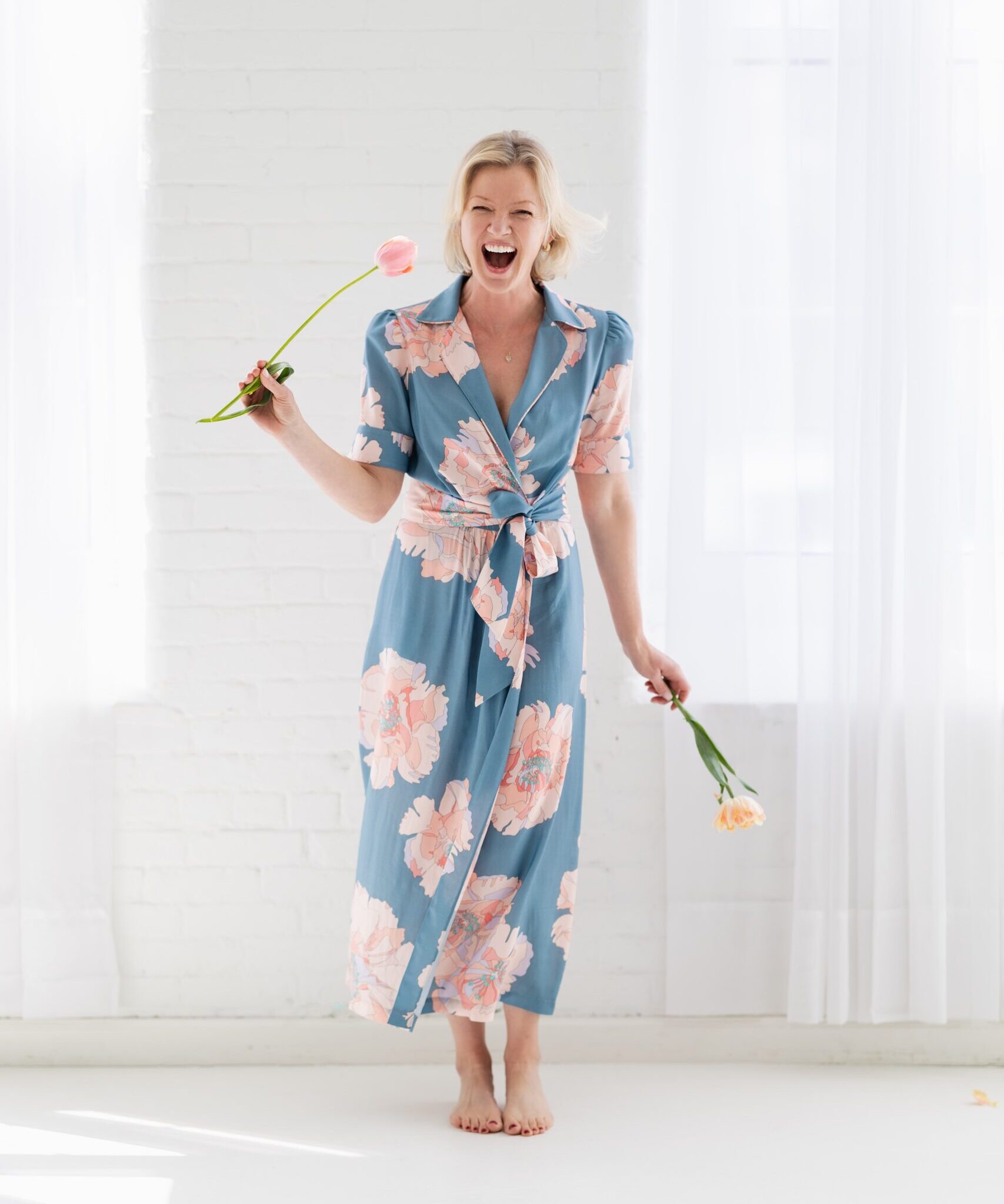
“When auditioning, I’d think carefully about what to wear to portray a character,” Mol says. “Clothing is an extension of a personality.” While Gretchen M was born from decades of channeling personas through wardrobe, a vintage house dress purchased for $15 in the East Village became the catalyst for launching a design career. “I was always thinking about how to make it better, more functional,” she recalls. Gretchen M takes inspiration from women’s clothing of the 30s and ’40s, an era Mol admires for its resilience. “I love that can-do spirit,” she says. “A woman could be physically engaged, do hard things, and still own her femininity.” The collection is divided into “acts” (collections) and “scenes” (individual pieces), some of which are named for stars of the era. The pieces, manufactured in New York City, feature classic details, sharp collars and subtle shoulder puffs, balanced with practical pockets, luxurious fabrics, and playful prints Mol designed herself.

These are clothes made to be worn and to last. “I want wearers to feel elevated,” Mol says.“But the clothes should be easy to wear.” Living full-time in the Berkshires has played an important role in Mol’s ability to balance designing, acting, and raising a family. “It allows me to appreciate everything more fully, from reengaging with what NYC has to offer to a country sunrise, now with fresh eyes.” Mol somehow manages to find time to enjoy what Litchfield County has to offer, from the food at White Hart Provisions and hikes at Lion Rock in Salisbury, to acupuncture treatments at Gotham in Lakeville, retail at Dugazon and B. Johnstone in Sharon, and The Pinnacle in Washington, among others.

There’s more on the horizon for Mol. This spring, Gretchen M will revisit its line of terrycloth dresses in new colorways and collaborate with Liberty London Fabrics on a line featuring 30s-inspired floral prints. The creative pursuit remains joyful. “You get to a stage in life where you have to pursue things that are interesting, with honesty and humility,” says Mol. “I’ve always read another person’s lines or worn another person’s clothes, but Gretchen M is self-expression. People ask what my dream is for it, but by just doing it, I’m already in the dream.” —gretchenm.com

Judea Garden’s 17-Year Mission Grows A New Generation

Judea Garden supplies fresh produce to food banks, powered by volunteers and a mission to nourish community.

Judea Garden, a community project that supplies food banks across Litchfield County, has grown from a small plot in 2008 to a full half acre of vegetables. It began when the economy crashed and residents of Washington wanted to help their neighbors.

“They encouraged people to get the shovels out of their sheds and plant seeds,” says Denise Arturi, volunteer coordinator, garden manager, and head gardener. The project started with Ann Burton and Marlene Smith at St. John’s Episcopal Church before finding a permanent home at Steep Rock Association. “I had just finished the Master Gardeners certificate, and they reached out to me,” Arturi says. The garden officially became part of Steep Rock in 2014.

Now, after 17 seasons, Arturi is ready to hand the project to a new manager, Blair Granum. “I feel good about leaving this in Blair’s hands,” she says. “You have to have passion first, and that’s what Blair has.”

Granum, who is from Worcester, Mass., owned a gardening business for several years and was also a competitive rower. She was looking for her next chapter when she came across a quote by Pope Francis: “You pray for the hungry, then you feed them, and that’s how prayer works.” The next day, she saw the listing for Judea Garden. “It was very serendipitous,” she says.

The garden currently distributes to the Washington-Warren Food Pantry and welcomes anyone in need to come on Monday mornings. Food Rescue picks up surplus and delivers to additional food pantries, with plans to expand to senior centers for special programs and lunches.

A new initiative called Harvest to Home addresses a practical gap. “We give all this food away,” says Arturi, “but people don’t always know what to do with it.” The program now distributes recipes and prepared samples to food banks, with several area restaurants participating.

Granum hopes to install an irrigation system and establish a working compost pile. Steep Rock already has plans to build a greenhouse, which will help increase production.

The garden runs on volunteers. A core group of ten comes every week, with roughly 100 people contributing throughout the year, including school groups. Monday and Wednesday mornings are harvest days, Thursday is traditionally weed and wine day, and interns are hired each summer. Annual workdays in spring and fall draw additional help. Granum plans to keep the same schedule.

“We hope to get more volunteers, and young people who can stay for years,” Granum says.—steeprockassoc.org

Litchfield Hills Rowing Club Opens its Oars to Everyone

Litchfield Hills Rowing Club grows on Bantam Lake, expanding access, competition, and community for all ages.

By Christopher Stella
Photographs by Amber Schulde

“I was told we were the best kept secret in Litchfield County,” says Drew Combs, head coach and director of the Litchfield Hills Rowing Club. “But that should never be our tagline, and it no longer fits.”

Perched on Connecticut’s largest natural freshwater lake, Bantam Lake, the LHRC has grown from approximately 40 members in 2018 to more than 390 in 2025, evolving from a modest high school program into a nationally competitive club serving athletes from ages 12 to 90. Its message is simple, powerful, and inspiring: rowing is a sport for anyone willing to put in the work.

Founded in 1967, the club serves two constituencies: junior rowers (middle school and high school students) who lack access to the sport at their local schools, and Masters rowers–adults interested in rowing and competing. For both, it provides access to what has historically been an elite activity.

“It’s an expensive sport, an eightman shell can run $50,000 to $60,000,” says Greg McKim, a board member and Masters rower. “You also need a boathouse, insurance, coaches, launch boats.”

Combs arrived in 2019 with a rowing legacy in tow. His grandfather introduced the sport to Lake Waramaug in the 1940s, his father ran the regattas, and Combs grew up working them before he was old enough to pick up an oar. After rowing Division I at Marist College, he coached at Northeastern, University of Buffalo, Fairfield University, and the Kent School, among other prestigious programs. When the LHRC posted an opening, returning to Litchfield County was an easy decision.

The sport has broad appeal across age groups. “Rowing and swimming are the two most cardiovascular full-body workouts you can get,” says Combs. “They are low-impact and adaptable at any age.” He notes that about 60 percent of Masters rowers never picked up an oar before 40. For juniors, the sport rewards anyone willing to train. “I don’t do that word ‘can’t,’” says Combs. “I prefer ‘not yet.’ You can do anything, you just haven’t done it yet. We’re no longer looking for the perfect stroke, we’re looking to create your perfect stroke.”

The effort speaks for itself. Junior rowers from Lakeview High School and the Forman School can letter in rowing through the LHRC, and nearly 35 percent go on to row in college, with another 30 percent of those receiving scholarships. Club members have gone on to row at Yale, University of Virginia, Vanderbilt, Syracuse, and UNC Chapel Hill, among others. A financial aid program ensures the sport remains within reach. The LHRC competes at U.S. Rowing Nationals and events as prestigious as the Royal Canadian Henley in Ontario and the Head of the Charles in Boston. At the 2025 Philadelphia Youth Regatta, the club took home 26 gold medals.

There is much ahead. This summer, the LHRC will host its inaugural Head of the Swain, a regatta benefiting the Alzheimer’s Association. The club is also fundraising to double the size ofvits boathouse, adding a dedicated fitness center where members can train on specialized erg machines year-round, along with boat storage, locker room, and office facilities.

For those curious enough to show up, LHRC offers low-cost learn-torow programs and an open invitation to ride in the coaching launch. Most who come realize more than a sport. “The reward for me is tenfold. It’s friendships, it’s camaraderie,” says McKim. And if nothing else, there is always the water. “At the end of the day, you’re just messing around in boats,” says Combs. “It’s the most fun thing you can do.” —litchfieldhillsrowing.org

The Art of Living Well

Auction of Robert Mnuchin’s collection features major postwar artists, reflecting passion and legacy in art.

A Bridgewater Collector’s Legacy Goes to Auction this May

By Troy McMullen

After decades of success on Wall Street, Robert Mnuchin turned his sights to the art world, first as a voracious collector of postwar and contemporary works, then as a dealer who used his trading-floor savvy to orchestrate some of the industry’s biggest transactions. By the time of his death last year at age 92, the longtime Bridgewater resident was one of New York’s foremost gallerists, with a formidable private collection to match.

“The reason to buy art is because you love it, you love it, you love it,” he famously told The New York Times in 2013.

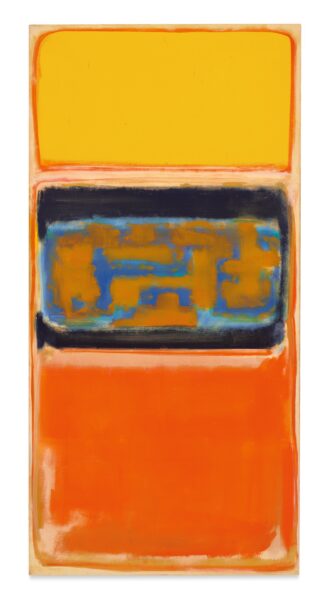
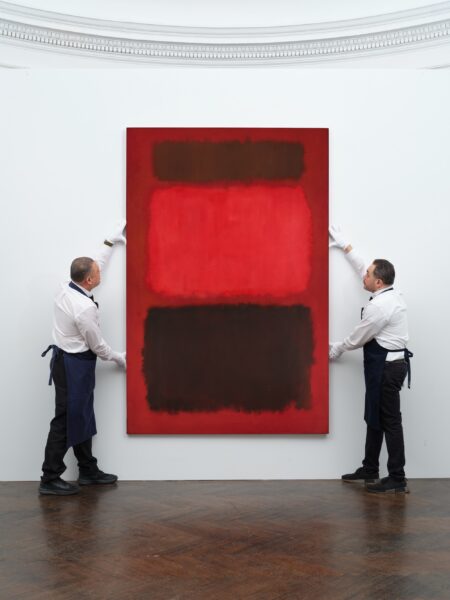
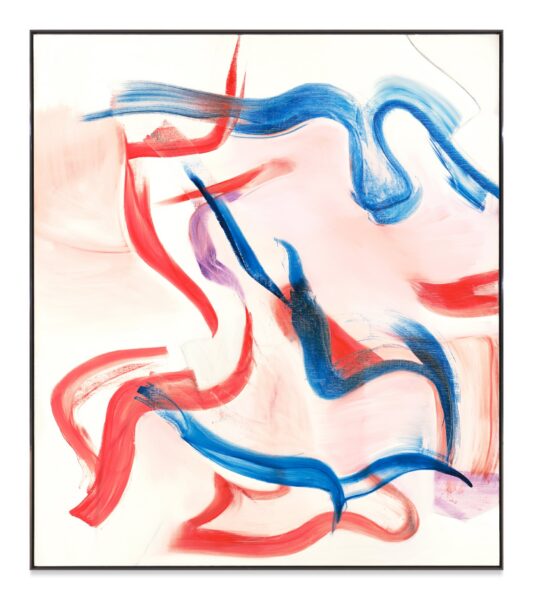
Sotheby’s is now offering a selection of works from Mnuchin’s collection at a May auction estimated to fetch $130 million. Pieces by Mark Rothko, Willem de Kooning, and Jeff Koons are all part of the public sale.

Mnuchin and his wife, Adriana, spent decades expanding their collection and were a visible presence in the Litchfield County community. They acquired the Mayflower Inn in Washington in 1990 and renovated it into a luxury resort before selling it in 2007.

Some of the auctioned works hung in the couple’s Bridgewater estate while others were on view at their Manhattan gallery. “They spoke of collecting as a passionate and almost obsessive way of life,” their daughter, Valerie Mnuchin, told Sotheby’s. “They only bought what they both loved.”

Milton Market’s Prettiest Picks for Home, Garden, and Beyond

Martha Fish of Milton Market shares the prettiest picks for Home, Garden, and Beyond.

By Martha Fish

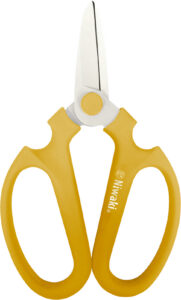
Niwaki Floral Scissors Sharp, sturdy, with the most satisfying snip. $48

Niwaki Garden Gloves Snug, stretchy, feels like a second skin. Indispensable. $10

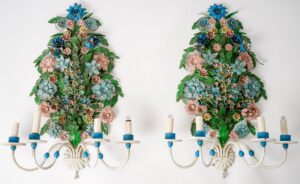
Antique Sconces Exquisite Italian tole sconces from the 1920s that capture the charm of the garden. $6,200 for the pair.

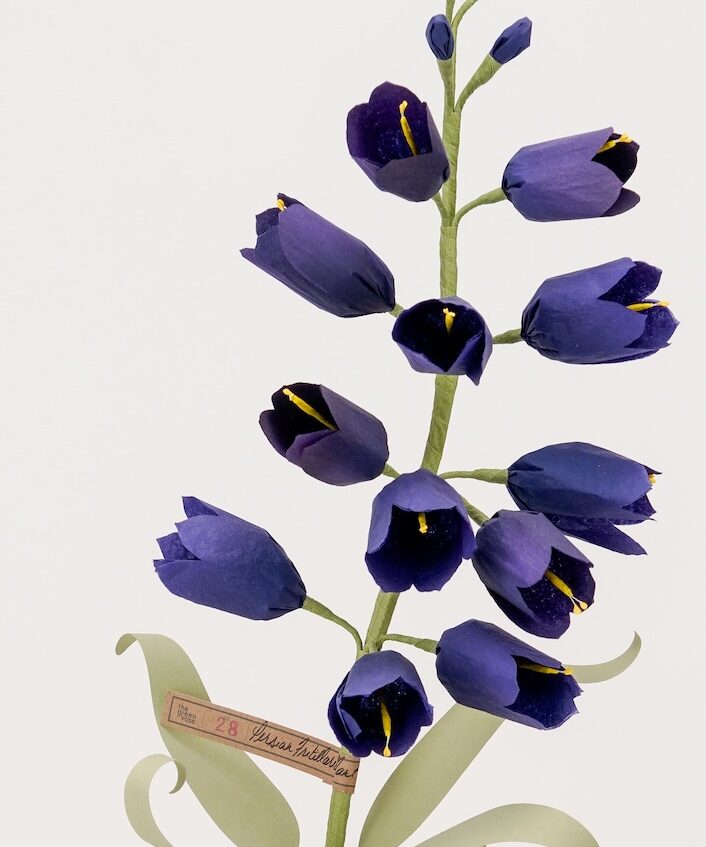
The Green Vase, Persian Fritillaria Always in bloom, our forever favorite. Handmade paper flowers by The Green Vase. $420

Niwaki Leather Tool Bag Like the best luxury leather goods, this beauty gets better with age. $295

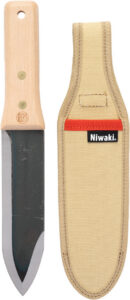
Niwaki Hori Hori Tool Digging, pruning, dividing, the most multifunctional tool for your kit. $58

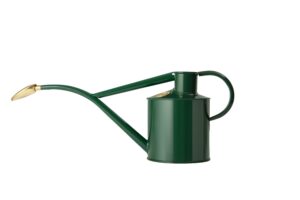
Haws Watering Can A classic with legacy. Made in the UK by Haws, the world’s oldest watering can manufacturer. $215

miltonmarketct.com

Current Issue
May / June 2026
The Garden Issue
Subscribe Now
.
  • STAY IN THE KNOW

    Your weekly guide to can't-miss events, hidden gems, and local favorites in Litchfield County. Sign up now for curated things to do, eat, and explore—delivered every week. It’s free. It’s local. It’s essential.

  • Karen Raines Davis