


March 1, 2026
By Alexandra Mazza
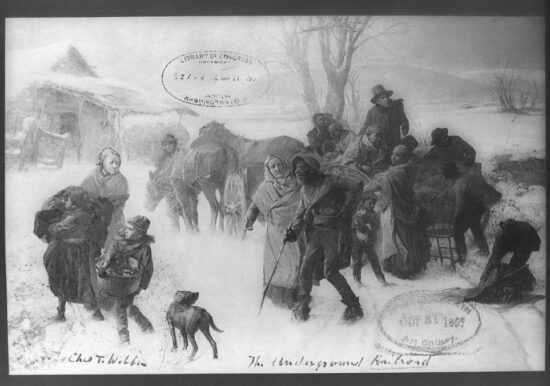
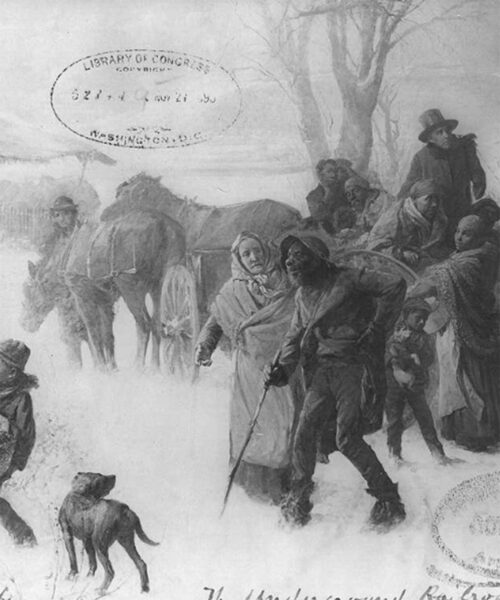
In the early 19th century, Litchfield County’s rolling hills concealed acts of deliberate defiance: Communities such as Litchfield, Torrington, and Cornwall quietly participated in informal Underground Railroad networks that challenged slavery without spectacle.
One stop was the Uriel Tuttle House in Torrington. Tuttle, president of both the Litchfield County and Connecticut anti-slavery societies, was a committed abolitionist. A letter written upon his passing described his home as “a place of refuge for the panting fugitive;” his resources helped freedom seekers move safely north.
Litchfield was also a place where formerly enslaved people attempted to build permanent lives. William Grimes escaped bondage and settled in town as a barber. “To be put in irons and dragged back to a state of slavery,” he writes, “and either leave my wife and children in the street, or take them into servitude, was a situation in which my soul now shudders at the thought of having been placed.”
Together, these stories reveal the tension beneath the county’s surface. Area residents quietly resisted slavery, even as regional economies remained tied to Southern trade. Their actions remind us that moral courage often unfolded not loudly, but deliberately, and close to home.