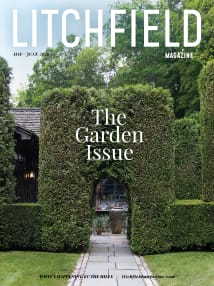

Your guide to the heart of Litchfield County:
Discover local stories, hidden gems, and must-know events.

The Garden Guide

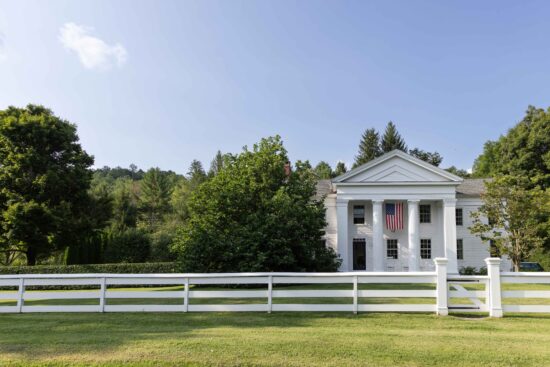
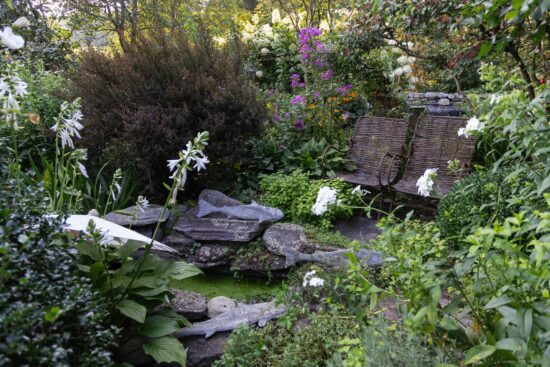
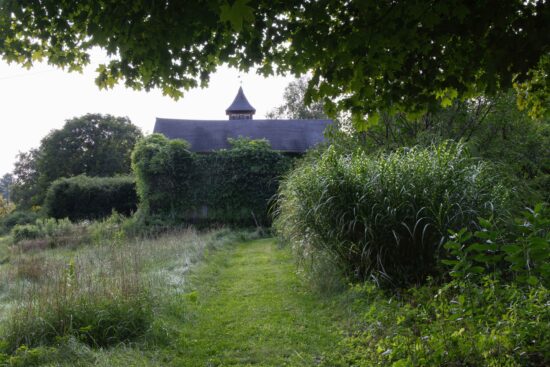
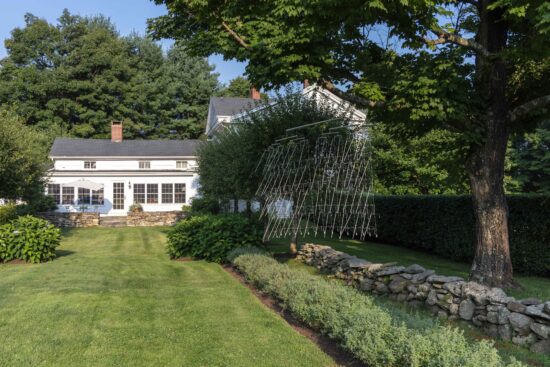
Celebrate spring with local garden experts transforming outdoor spaces through landscape design, plants, and handcrafted garden elements.

Spring has arrived, and with it, a renewed passion for gardens and green spaces. We spoke with a handful of inspiring local garden-related businesses who bring creativity, expertise, and heart to everything they grow and design. From landscape visionaries to furniture makers to plant nurseries, meet the people cultivating beauty across our region.

Cricket Hill Garden

Nestled in Thomaston, Cricket Hill Garden is a specialty nursery known for its rare and unusual plants—most notably its renowned collection of peonies.
READ the full story….

Haab Landscaping

Haab Landscaping, LLC is a full-service landscape construction and maintenance company owned by Jeff and Sawyer Haab.
READ the full story….

Peerless Tree

Peerless provides comprehensive services, including insect and disease diagnosis and treatment for trees and shrubs, arboriculture consulting, turf care programs, tick abatement, and landscape and garden design, installation, and maintenance.
READ the full story….

Kent Greenhouse

Kent Greenhouse & Gardens has been a leader in landscape design, installation, and estate care for decades, offering everything from customized outdoor spaces to in-house pool design and construction.
READ the full story….

Washington Supply

As a full-service lumber yard and hardware store, the business expanded in 2006 to include a dedicated Lawn, Garden, and Outdoor Living Center—bringing the same trusted expertise to every aspect of outdoor life.
READ the full story….

Scott’s Nursery and Landscaping

Scott’s Nursery & Landscaping is a full-service design and build firm, featuring a six-acre, award-winning garden center. Specializing in landscape and hardscape design, the company also provides maintenance and gardening services.
READ the full story….

Kenneth Lynch & Sons

Maria Lynch Dumoulin is the third-generation owner of Kenneth Lynch & Sons, a company with a nearly 100-year legacy in fine outdoor furniture, garden ornamentation, and park furnishings.
READ the full story….

The Green Spot

The Green Spot goes beyond plants, offering expert landscape design, build, and installation services, including masonry and maintenance.
READ the full story….

Brook Clark Landscape Architects

Offering a range of services to create outdoor spaces that reflect the unique vision of each property owner. Known for their expertise in both design and project management, they bring a meticulous approach to each landscape project.
READ the full story….

Arbor Services

From planting and fertilizing to pruning, disease treatment, and thoughtful removals, Arbor Services offers holistic care to ensure the long-term health and beauty of trees and landscapes.
READ the full story….

Yardscapes Landscape

Known for its commitment to excellence, sustainability, a passionate team with deep-rooted love for the natural world, YardScapes continues to create outdoor environments that bring people closer to nature.
READ the full story….

[Sponsored]

Luxury Mini-Break in NYC: Stay at The Mark Hotel

Experience art, fashion, and fine dining at The Mark Hotel—NYC’s luxury boutique escape just two hours from Litchfield.

By Andrea Valluzzo

Manhattan is an easy two hours from most parts of Litchfield County, making it a destination for quick trips in: theater, business, lunch with friends. But with all those quick trips, it’s easy to forget that New York is one of the world’s great cities. Why not just go in for a mini break, and treat yourself to a luxury stay at one of the world’s greatest hotels: The Mark, nestled in glamour central, at Madison and 77th.

Stepping into the lobby, which is smallish but makes a big impression, visitors are immersed in a universe of curated design. The black-and-white striped floor visually encourages you to pause—and admire a striking Ron Arad pendant light, suspended over an Eric Schmitt table. Orchestrating this aesthetic was designer Jacques Grange, who reimagined the hotel in 2009, collaborating with leading design names. General manager Etienne Haro describes the lobby as “a work of art,” featuring bespoke pieces designed for The Mark by Mattia Bonetti, Paul Mathieu, and Anne and Vincent Corbière. Such cohesive collaborations extend throughout the hotel, from custom Vladimir Kagan curved sofas and armchairs in the bar and guest rooms, to a partnership with famed hairstylist Frédéric Fekkai, whose main salon is here.

Owned by Izak Senbahar and his Alexico Group, The Mark exudes the essence of an international boutique hotel, with a strong Parisian vibe. Even the hallways smell French, courtesy of master perfumer Frédéric Malle’s fragrance, “Jurassic Flower,” the hotel’s custom scent.

World-renowned chef Jean-Georges Vongerichten creates imaginative dishes for The Mark restaurant, including the popular Crispy Salmon Sushi with chipotle mayonnaise and The Mark Cheeseburger with black truffle dressing. Caviar Kaspia, the Paris institution that, like The Mark, debuted in 1927, opened its first East Coast location here in 2023. It’s famous for its twice-baked potato with caviar—but in a nod to its New York setting, caviar bagels are a popular option, available on weekends. Guests can even host a dinner party or cooking class in their room, orchestrated by Jean-Georges and his team.

French luxury book publisher Assouline has a shop at The Mark, featuring beautifully designed hardcovers on topics such as fashion, travel, culture, and more.

Guests at The Mark can take advantage of New York-only outings, such as chartering a Hudson River cruise on the hotel’s 70-foot sailboat. Simpler pleasures can include a $6 hot dog from the Mark’s haute hot dog cart, or a catered picnic, prepared by Jean-Georges and staff, to enjoy in the park. “The picnics connect our guests to the best amenity of New York City—Central Park—in a way that is refined, and connected to who we are as a brand,” explains Haro.

Connecticut travelers will be delighted to know their furry friends are welcomed in style, with plush pet beds and Jean-Georges’ “spoiled dog menu.” 

The Mark transcends the hotel experience, turning it into a destination that offers carefully crafted experiences and delightful surprises. “We are a hotel that is at the intersection of culture, fashion, and design,” Haro says.

Five Invasive Plants to Remove for a Healthier Garden

Remove these five invasive plants to protect native species, restore biodiversity, and improve your local environment.

Five Invasive Plants To Remove From Your Garden—And Why It Matters

Illustrations by Shannon Blanton

Invasive plants may seem harmless, but they outcompete native species, disrupt ecosystems, and reduce biodiversity. Removing them helps restore balance and protect local wildlife. As garden writer Jane Garmey puts it, “Getting rid of them is back-breaking, time-consuming, and exhausting, but unfortunately, it’s a non-negotiable gardening chore.” Here are five invasive plants commonly found in your backyard that you should eliminate:


1. Japanese Knotweed—This aggressive spreader can grow through foundations and crowd out native plants. Even small root fragments can regrow, making removal challenging.

2. Mile-a-Minute Vine—True to its name, this fast-growing vine smothers shrubs and trees, preventing them from getting sunlight.

3. Asiatic Bittersweet—A climbing vine that strangles trees, damaging forests and landscapes. Removing it helps native plants thrive.

4. Garlic Mustard—It releases chemicals that prevent other plants from growing, reducing habitat for native pollinators. Pull it before it goes to seed!

5. Barberry – While popular in landscaping, this thorny shrub harbors ticks and displaces native plants, making it a threat to both ecosystems and human health.

By tackling these invasives, you’re not only protecting your own garden but also contributing to a healthier, more resilient local environment. After you’ve cleared these plants, be sure to bag them and throw them out; they should never be tossed back on the ground or in a compost bin.

The Owl Wine & Food Bar New Preston

Experience cozy, elevated dining at The Owl Wine & Food Bar, featuring award-winning pizza, seasonal dishes, and charm.

Make Yourself at Home at The Owl Wine & Food Bar

Breezy Comfort at a New Preston Eatery 

By Michelle Madden

Photos by Ryan Lavine

Perched on a hill in New Preston sits The Owl Wine & Food Bar, which happens to serve some of the best pizza in town—earning it Litchfield Magazine’s Reader’s Choice Award for Best Pizzeria. It’s a cozy local eatery that is elevated but casual, that welcomes you into its nest and makes you never want to leave. 

Owner Ryan Cangello came from New York City in 2016, first as a weekender and then full time in 2020. He joined forces with John Bourdeau, who had begun The Owl, and then bought him out in 2023. Cangello’s overarching commitment is to create a place where everyone feels welcome. “I used to be in musical theater. The Owl is my stage, and everyone is on it with me. We are family here.”

Cangello grew up with a Lebanese mother and Italian father, where food was love. “Sundays I would pull up a chair and watch my mother cook. She would add fresh parsley to her manicotti—which was always my birthday-request meal.”

The heart of The Owl is a small room with an exposed stone wall, wooden beams, and a wine bar. A fire warms you in the winter, the rocky wall cools you in the summer. A distressed, diamond-patterned floor looks like it’s been walked on by country squires for hundreds of years. (The former home was built in 1870). 

Extending from this nook is an inside-outside porch. The floor, with loosely inlaid stones, is reminiscent of an Italian hillside. A low stone wall secures the perimeter, and in the summer the breeze wafts through. At the top of the steps sits an expansive, shady patio where on summer evenings you’ll find  Blood Orange Cosmos or Aunt Sassy Margaritas being sipped. 

The Owl has polish without feeling fussy. The crockery has a fresh-from-the-kiln vibe; the wooden boards for the flat bread are crude and asymmetrical; the floors are weathered and worn. Tyler Juraska, the bartender, is tattooed and wears his turquoise hair with hipster confidence. With skinny black lamps dimly lighting every table, the mood is set. 

Oh, and the food: It’s outstanding. The Cobb salad is light with a subtle truffle vinaigrette. The Bang Bang Cauliflower, with just enough heat, is a must-order. Your mouth will sink into the short rib sliders and never want to let go. The meatballs have just the right amount of garlic and—with a light tomato sauce and dollop of ricotta on top—closely resemble a savory cupcake. Order enough for everyone.

Though it’s not exclusively a pizzeria, there is a reason The Owl wins awards for its pies. The crust is thin, with black blisters from its time in the oven. The Bee Sting and the San Genarro are two of the most popular; the Emilia tastes like a summer garden. 

Nothing is perfect about this place—and that’s what makes it perfect. When you come, leave your heels behind, but bring your dog. They’re family too.

The Owl is now open for Sunday brunch.—owlnewpreston.com

The Owl Wine & Food Bar, 18 East Shore Road, New Preston

The Woodland Restaurant: Celebrating 40+ Years in Lakeville

The Woodland in Lakeville thrives after 40 years, serving superb seasonal dishes, sushi, and classic American food.

Into the Woodland Restaurant

A Lakeville Favorite Continues To Thrive

By Charles Dubow

Photographs by Ryan Lavine

The Northwest Corner of Litchfield County has been blessed over the years with a number of excellent restaurants. Unfortunately, most of them don’t last. It’s not easy to keep a restaurant going, which is why when a restaurant can not only survive but also thrive for more than 40 years, it is a testament to the excellence of its food and to the loyalty of its staff and patrons.

That is the fortunate position in which The Woodland, in Lakeville, finds itself. Once a little burger shack catering to hungry students from The Hotchkiss School (just up the road), The Woodland was born in 1983, when Carol Peters expanded the shack into a charming roadside bistro offering beautifully cooked seasonal American food. Later, sushi was added to the menu.

For years it was almost impossible to get a table between Friday and Monday. The restaurant and its bar were always packed with a mix of locals, Hotchkiss parents and students, or weekenders looking to unwind over the superb steak au poivre or pan-seared chicken, with a bottle of Vieux Telegraphe, a Barbaresco, or a Napa cab (the wine list is superb and varied).

Other favorites include the truffled Parmesan fries with garlic aioli, the roasted beet salad, the pistachio-crusted salmon, and the best Wiener schnitzel this side of Stuttgart. In the mood for something Asian? The sushi offerings are among the finest in the county. 

In addition to its regular menu, there is always a plethora of daily specials.

What makes The Woodland’s longevity even more impressive is the fact that it could have all ended when chef/owner Robert Peters (who had taken over from his sister Carol) died of cancer in 2021. Fortunately, Robert’s friend, the chef Brandon Scimeca, was on hand to pick up the ball. “The restaurant never closed for a day,” he says. “I kept it running for a year before I was able to buy it.” Scimeca, a graduate of the Culinary Institute of America and a veteran of the legendary Chez Panisse in Berkeley, has lived in the area for 20 years, and runs a catering business in Millbrook called Hunt & Harvest. 

He knew the restaurant well, having informally consulted on the menu and décor with Robert after he took it over from Carol. (They met when Scimeca was working at the nearby Interlaken Inn; Robert was his sous-chef.) 

Later, as Robert’s illness progressed, Scimeca came to help out in the kitchen. 

“I got a feel for the legacy of The Woodland,” he says. “I’m not here to change it. I moved the menu forward without sacrificing what it stood for. We have so many loyal regulars who have been coming for years; many even have standing reservations. This is a great institution for our area. I love it. It’s homey and familiar. It’s 40 years of different ideas all mashed together, but somehow it works.” 

Open for dinner Tuesday through Sunday; lunch is served Thursday through Sunday. Reservations are recommended.

The Woodland, 192 Sharon Road, Lakeville

thewoodlandrestaurant.com

10 Fun Animal Encounters in Litchfield County

Meet llamas, alpacas, goats, and more at these ten family-friendly animal farms and sanctuaries in Litchfield County.

By Andrea Valluzzo

Litchfield County is rich in farmland, so it’s little surprise that hundreds of animals make their home here, from farm animals to exotic species. With an eye toward education, many owners open up their farms or animal sanctuaries to the public to encourage interactive experiences.

Here are ten local places to get up close with animals, and create fun memories this summer.

Highwire Deer and Animal Farm, Woodbury
What’s a zedonk? Come here to meet the offspring of a donkey-zebra. Open seasonally, the farm allows guests to touch, visit with, and feed many of its 30-plus animals.
highwireanimalfarm.com

Perk and Paws Cat Cafe, Torrington
Cats, coffee, and cuddles are the cafe’s daily special. Rescue cats waiting for their fur-ever homes eagerly greet visitors for lounging sessions or cat yoga. 
perkandpawscatcafe.com

Country Quilt Llama Farm, West Cornwall and Litchfield
For an outstanding selfie experience, try walking a llama. The farm offers one-hour walks, where visitors ages four and up can take turns leading llamas along nearby trails.
countryquiltllamafarm.com

Bella Alpacas Farm Sanctuary, New Milford
Similar in appearance to llamas but shorter, alpacas are adored for their fluffy fur and super-long eyelashes. Guests can get up close with the alpacas and chickens here, even feeding them.
bellaalpacas.com

Goat Yoga at Flanders Nature Center & Land Trust, Woodbury
Doing Downward Dog is a lot more fun when a playful Nigerian dwarf goat stands on your back. Registration is open for goat yoga sessions led by Sharon Poarch at the North Barn: June 1, July 13, July 27, August 31, September 14.
flandersnaturecenter.org

Sharon Audubon Center, Sharon
Highlighting its rehabilitation work, the center has live animal exhibits, including birds of prey,  and native wildlife such as turtles, insects, and reptiles. With the exception of the birds of prey, most can be touched during tours and programs.
sharon.audubon.org

JP Farm Animal Sanctuary, Litchfield
Open June through November for tours (by reservation only), the sanctuary cares for rescued farm animals including pigs, cows, steers, turkeys, roosters, and more. Visitors can offer treats to most of these friendly creatures.
jpfarmsanctuary.org

Action Wildlife Foundation, Goshen
Looking for a wild time? This nonprofit foundation offers a variety of interactive experiences with its many animals, ranging from alpacas to zebras.
actionwildlifefoundation.com

March Farm, Bethlehem
There’s something for everyone at this fourth-generation family farm. Visit with animals including heritage pigs, ducks, goats, and (in the spring) calves.
marchfarm.com

Ivy Mountain Goat Farm, Goshen
Specializing in dairy goats, the farm welcomes visitors. Children and adults can walk out into the fields to interact with the goats, some of whom may enjoy a cuddle or an offer of a dandelion.
marytracy7@gmail.com

Climate Change Grants for Connecticut Farmers: Building Resiliency on the Land

Connecticut farmers receive climate change grants to boost resiliency, adapting to extreme weather and long-term sustainability challenges.

Building Resiliency: Grants Help Farmers Grapple with Climate Change

Photograph by Wendy Carlson

By Wendy Carlson

At Hathor Hill Farm in Morris, a posse of Great Pyrenees dogs protect the cattle, goats, and chickens from predators—but they can’t safeguard the farm from the ravages of extreme weather. 

“Last spring, there was so much water you could literally take a kayak down the road,” says Joe McCartin, as he walks along the foot-deep ruts of a washed-out access road that leads to his barns at the top of a pasture. Heavy rainfall severely flooded the dirt road, making it impassable, and damaging adjacent grazing land. 

McCartin, a U.S. Air Force veteran, and his wife, Sally Amer, became first-time farmers five years ago when they purchased their 50-acre farm in the Lakeside section of Morris. There, they raise beef cattle, goats, and chickens, grow vegetables, and propagate mushrooms for products sold at their farmstand and at farmers markets.  

Fortunately, this spring is looking a whole lot brighter for the fledgling farmers. The access road will be rerouted, trenches installed to divert water, and the pasture land restored with a $20,000 grant awarded to the couple recently by the Northwest Connecticut Land Conservancy (NCLC) through its Building Resiliency on Northwest Connecticut Farmland grant program. The initiative provides regional farmers with resources to enhance sustainability, increase agricultural productivity, and mitigate the effects of climate change. It was made possible by a grant from the Connecticut Department of Agriculture’s Climate-Smart Agriculture and Forestry program. Through the program, NCLC allocated more than $500,000, awarding a total of 48 grants to area farmers for “climate-smart” site assessments and implementation projects.

In Roxbury, Kirby Peters, who leases Maple Bank Farm — one of the oldest family-owned farms in the country — is using the farm’s $10,000 Building Resiliency grant award to purchase a raised bed mulch layer with a fertilizer hopper. The equipment will distribute fertilizer directly into the growing area while simultaneously creating raised beds that improve drainage.

“This helps during extreme weather events, when plants can end up sitting in water,” Peters says. “Proper fertilization ensures better plant vitality and crop outcomes. We’ve struggled with precision fertilizer application, and we know some fertilizer leaches out. The more efficient and precise we can be, the better.”

Peters echoes the concern voiced by many local farmers. “Climate mitigation is of the utmost importance for us,” he says. “With unpredictable weather patterns, we are increasingly forced to adapt.”

The program comes at a pivotal moment as cuts to federal funding for conservation and agriculture loom. So far, the NCLC has  provided grants to meat, poultry, and vegetable farmers as well as a diverse range of producers, including a hops farm in Warren, a CBG farm in Harwinton, and Rowledge Pond Aquaculture, a hatchery in Sandy Hook.

Beyond combating extreme weather conditions, the initiative supports practices aimed at sequestering carbon and reducing emissions, which in turn improves water quality, enhances soil, and promotes biodiversity—all steps to help farmers thrive.—ctland.org

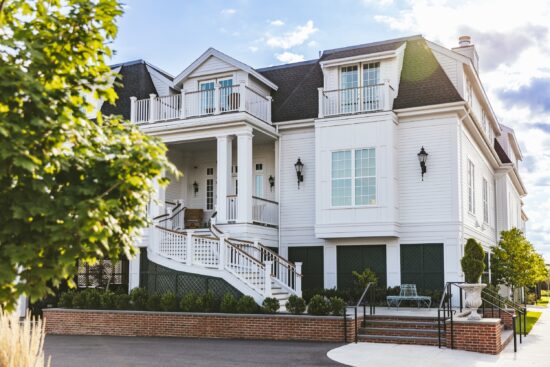
Winvian Resort Delivers Luxury in Morris

Winvian resort in Morris combines luxury cottages, a world-class spa, and farm-to-table cuisine in a serene setting.

Dream stay: Winvian Resort

Luxurious Retreat Offers Timeless Elegance, Hospitality

By Andrea Valluzzo

Nestled into 113 acres bordering woodlands, lakes, and meadows in Morris, Winvian is anything but a bustling resort. The path to serenity literally begins at the gate, where guests are buzzed in. Outside cares fall away on the drive through the hotel’s property.

Past an allée of mature King Maples is the Condé Nast Traveler award-winning spa. Soothing music fills the air, setting the tone as co-manager Lauren Beecher bids arrivals to change into fluffy terry robes and sandals. 

A popular service is the 90-minute Le Grand Classique facial, which begins with lying on a heated bed under a blanket and breathing in botanicals, to promote relaxation. Beecher works her magic with exfoliation, essential oils, and steam hydration, finishing clients off with a hot towel under the neck and a massage.

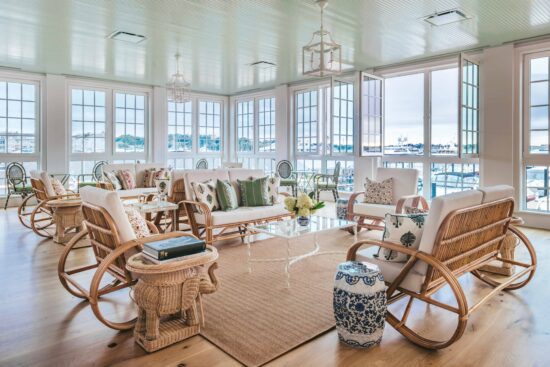
Some guests follow their service with a visit to the sauna; others decamp to the relaxation lounge to sip tea while enjoying unspoiled views of the farm, courtesy of the tall picture windows.

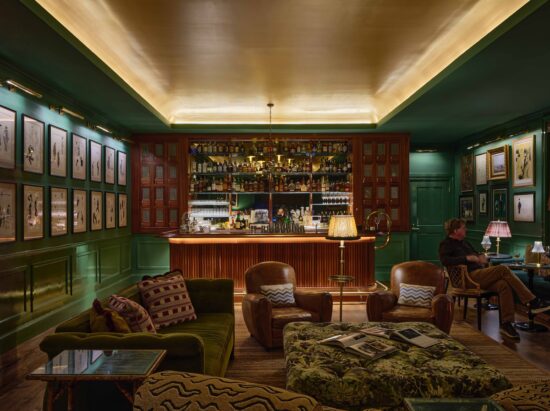
Seeking post-spa libations, guests often gather in the tavern to sip a Smoked Paloma or a mocktail while awaiting dinner.

Executive chef Chris Eddy, who joined Winvian in 2006, employs a farm-to-fork approach to his seasonal menus, sourcing many ingredients from Winvian’s own organic gardens, greenhouses, apple and peach orchards, and root cellar. Not surprisingly, the four acres of gardens supply about 70% of the vegetables that Eddy uses. Under his direction, the restaurant delights patrons and accrues many accolades, including a Five Diamond rating from AAA. After leaving his native Vermont, Eddy cut his teeth working for renowned chefs Daniel Boulud and Alain Ducasse before joining the Winvian family. 


And family is at the heart of what makes Winvian a magical place to visit. Winvian’s proprietress, Maggie Smith, was a teenager in Waterbury when she first experienced Winvian, while dating the son of then-owners Winthrop and Vivian Smith. The couple bought what was a local doctor’s “gentleman farm” in 1948, creating its portmanteau name. 

After they passed, their family was determined to preserve the property and honor their legacy. “I just felt it was so important to keep it in the family if we possibly could,” she says.

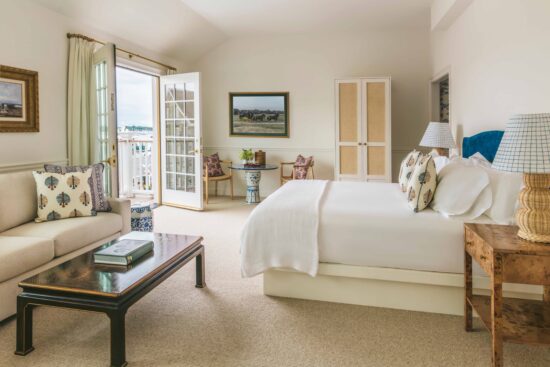
Having already renovated an inn in Vermont before relocating to Connecticut, Smith was up to the challenge of turning Winvian into a destination getaway. Friends joked that she was insane, but she remained undaunted. She worked closely with a dozen-plus architects to add roads, fiber optics, and design 19 buildings on site, including 18 guest cottages. The cottages, which pay homage to Connecticut, delight and surprise guests with themes such as the Helicopter Cottage, which contains an actual Sikorsky helicopter.

“I still pinch myself that we built it and that people come to Winvian,” Smith says. She takes pride in a team that she considers her extended family. “Anybody can build buildings, but it really takes a dedicated team to deliver the heart and soul of what I think is Winvian.” —winvian.com

Litchfield County Community Gardens

Dig In! Join vibrant Litchfield County community gardens to grow flowers, fresh produce, friendships, and nourish local families.

Dig In!


Growing Flowers, Friendships, and more with Community Gardens


Whether you’re looking to grow your own produce, donate to a local food bank, or simply enjoy time outdoors in a shared green space, joining a community garden can make a healthy change to your life—and allow you to nurture your roots within your family, neighborhood, and town. Litchfield County is home to several community gardens, each with its own history, setup, and mission. Some are dedicated to donating food; others encourage you to grow vegetables and/or flowers for your own use. Garden plots are often limited in number; now is the time to find out if any are available for this season. 

Produce to the People

At the Lorch Farm Community Garden in Cornwall, volunteers can help tend to and harvest the seasonal produce grown at the site, which is then donated to area food pantries to help fight food insecurity, which is a hidden but significant problem in Litchfield County. The project is under the auspices of the Cornwall Agricultural Commission.—produce2thepeoplect.com


Barkhamsted Community Garden
Near the center of town at the Pleasant Valley United Methodist Church, the Barkhamsted Community Garden offers 10×4-foot raised beds with high-quality soil and full sun exposure. Water is available on-site, and participants receive monthly gardening tips and assistance from a Connecticut Master Gardener. Barkhamsted residents can secure a plot for $25; non-residents can participate for $30.—barkhamsted.us


Bowman Community Gardens
Located in Torrington, Bowman Community Gardens offers residents space to grow vegetables and flowers while promoting healthy eating and social connections. These gardens serve as an important hub for community members looking to engage in sustainable gardening practices. —torringtonct.org

 

Judea Garden

Established in 2009 by the Steep Rock Association at Macricostas Preserve in Washington, the Judea Garden provides fresh produce to local residents in need. Supported by volunteers, it has distributed over 20,000 pounds of food. In 2023, it added 74 raised beds to improve productivity and accessibility.—steeprockassoc.org 
 

Kent Community Garden
Sponsored by the Kent Land Trust, the Kent Community Garden is located east of Kent Center School, behind Kent Greenhouse & Gardens. It offers 10×4-foot plots for a seasonal fee of $30, with additional plots available for $15 each. The garden is pesticide- and herbicide-free. Centrally located water is available to all participants. According to organizer Gwynne Seufert, “While we would give preference to Kent residents, we have never ‘sold out’ and have always been able to offer beds to gardeners who do not live within Kent. Any interested gardener should inquire!”—kentlandtrust.org/community-garden


Litchfield Community Garden
Established in 2009, the Litchfield Community Garden was founded through a grassroots effort, and now provides 40 plots for local gardeners on the Graham Thompson Land Preserve. Managed by the Litchfield Community Center, the garden fosters community engagement through gardening, educational workshops, and seasonal gatherings. Over the years, it has expanded with Eagle Scout projects, a pollinator garden, and accessibility improvements. It serves as a valuable resource for fresh produce and a space for outdoor connection. The garden currently has a waitlist. For more information, contact the Litchfield Community Center at litchfieldcommunitycenter@gmail.com.—litchfieldlandtrust.org

New Milford Victory Garden
Designed to encourage residents to grow their own food, the New Milford Victory Garden provides resources and support for home gardening. The program aims to help gardeners discover the joy of growing fresh produce while also providing for their families and neighbors in need.—newmilford.org

Rentrayage Brings Sustainable Fashion to Kent

Rentrayage brings sustainable fashion to Kent with artisan-made clothing, home goods, and eco-conscious design by Erin Beatty.

Rentrayage Transforms Fashion’s Footprint

 ‘Lifestyle’ Store in Kent Emphasizes Sustainability

By Andrea Valluzzo

Photographs by Cedric Gairard

Longtime fashion designer Erin Beatty found inspiration across the globe, from the bold prints of African textiles to the flowers of India used to create whimsical effects on fabric. It was not until she left the fashion hub of New York City to settle in Bantam with her family, however, that she fully embraced a new way to create fashion.

Troubled by the carbon footprint and waste generated by the fashion industry, Beatty was determined to create something new and sustainable. After years of working for brands like the Gap and Tory Burch, and developing brands like the award-winning Suno in 2008, she’s found inspiration in the Northwest Hills and the sense of community she’s found here. After several years of running short-term fashion pop-ups for her brand Rentrayage (which she launched in 2019), she gave it a permanent space in October, in Kent Barns at 12 Old Barn Road.

“I was getting tired of luxury, and I hated fast fashion. I felt like there was a space and opportunity for something you can buy without feeling guilty in fashion that is sustainably made,” she says. “I had decided to do a pop-up through Christmas and by the end of November, I knew I wanted to keep this going. You can come in to buy fashion and home, and it all speaks to one another. It’s all made sustainably, by artisans, and locally, and when you put it all together, it really starts to make sense.”

Beatty’s clothing designs occupy one wall in this artfully curated space while textiles, candles, handmade glassware, and decorative pieces are displayed on tables. Soft-as-butter colorful blankets from Spain hang in one corner near glasses made in small batches from recycled glass in Portugal that echo the blankets’ hues. Embroidered pure linen Indian napkins are dyed with flowers recovered from the floors of Mumbai temples. 

Working with artisans and small businesses, Beatty notes one of her most popular items, women’s jeans, are created sustainably in Los Angeles using ozone wash to reduce the amount of water typically needed. 

Her website remains robust but the storefront is the centerpiece. “To me having a space that is so experiential when everything feels so disgustingly digital is actually exactly what we need. And the other thing is a sense of community,” she says. “That’s what I think so many of us who have moved up here have found. It’s what I’m so grateful to this area for—this beautiful community for my children and family, where we are surrounded by nature. Any way we can find to enhance and expand that, it just feels like what the world needs.”

Named for the French word meaning “to mend and make whole again,” Rentrayage mixes vintage clothes with new pieces to create one-of-a-kind items. Spotted recently wearing a vintage sweatshirt with sleeves taken from a military jacket and paired with her “insanely comfortable” Silverlake jeans, Beatty doesn’t just manage her brand. She lives it.—rentrayage.com 

Current Issue
March / April 2026
Our Kind of Healthy
The Health & Wellness Issue
Subscribe Now
.
  • STAY IN THE KNOW

    Your weekly guide to can't-miss events, hidden gems, and local favorites in Litchfield County. Sign up now for curated things to do, eat, and explore—delivered every week. It’s free. It’s local. It’s essential.

  • Karen Raines Davis