


January 29, 2026
Catherine Rawson, executive director of the Northwest Connecticut Land Conservancy, brings deep expertise in environmental law and land protection. With leadership roles across state and national conservation organizations, she explains the importance of conservation easements—how they safeguard land, preserve natural habitats, and ensure the long-term health of our region’s landscapes.

1. What is a conservation easement, and how does it work?
A conservation easement is a voluntary legal agreement in which a landowner permanently limits certain types of development or uses on their property to protect significant natural, agricultural, scenic, or historic features. While the property remains privately owned, a qualified organization, often a land trust or government agency, holds the easement and ensures its terms are upheld. Notably, conservation easements remain in effect in perpetuity, even if the property is sold or transferred. Landowners continue to own, enjoy, and use the land, subject to the terms of the easement, while knowing that its conservation values will be permanently protected.
2. What types of natural resources are typically protected by a conservation easement, and why are they important?
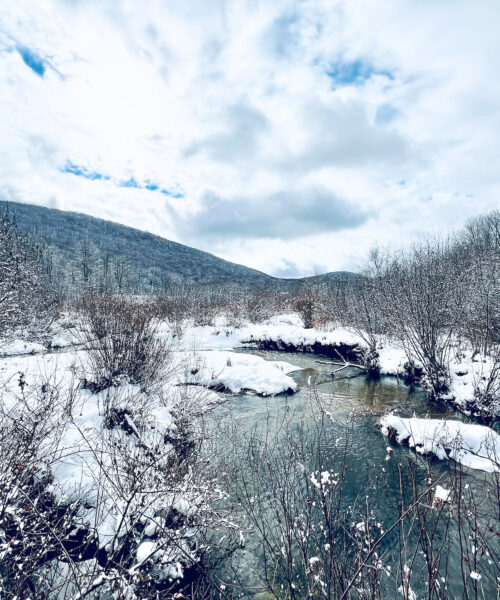
In northwest Connecticut, conservation easements are often used to safeguard the natural features that make our region special—its forests, clean streams, wetlands, wildlife habitat (including areas used by rare or declining species), and productive farmland. Many easements also help link existing protected lands together, creating larger, connected corridors essential for wildlife. Protecting these resources provides lasting benefits for both people and nature. Forests and wetlands help keep our drinking water clean, support a wide range of species, and absorb stormwater that would otherwise contribute to flooding. Conserved farmland safeguards high-quality agricultural soils, and helps ensure continued access to local farms and foods. And, by protecting natural lands and scenic landscapes, conservation easements help maintain community character and quality of life.
3. What are the benefits of granting a conservation easement?
Conservation easements allow landowners to protect the ecological, agricultural, or scenic qualities of their land while maintaining private ownership and use. If the easement is donated and meets federal requirements, the landowner may also qualify for a charitable tax deduction based on the value of the development rights relinquished. And, conservation easements create lasting community benefits. They help safeguard clean water, support local farms, strengthen climate resilience, protect wildlife habitat, preserve a community’s scenic character, and more.
4. What role does a land trust play in creating and stewarding an easement over time?
A land trust can help guide a landowner through the process of creating a conservation easement. The land trust assesses the property’s natural and agricultural features, works with the owner to determine what should be protected, and helps craft an easement tailored to the property. After the easement is recorded, the land trust becomes its permanent steward. This includes monitoring the conservation easement at least once a year, building a strong relationship with the landowner, answering questions, providing guidance, and ensuring the easement’s terms are upheld. Its ongoing role is to safeguard the land’s conservation values—now and for every future owner. —ctland.org