



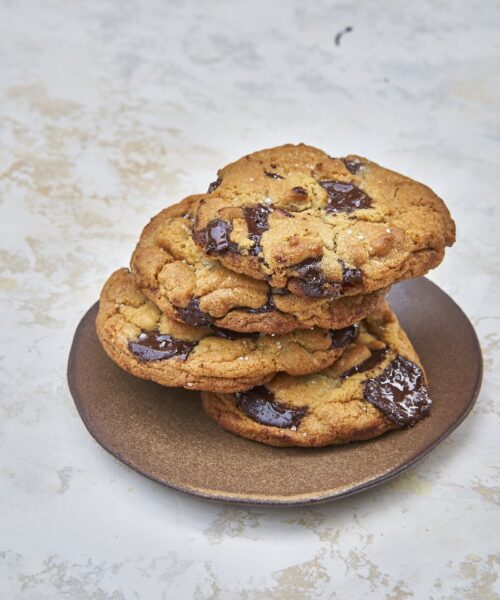
June 29, 2026
Photographs by Jim Henkens
Your 2008 piece in The New York Times, “Perfection? Hint: It’s Warm and Has a Secret,” changed how home bakers think about chocolate chip cookies. Did you have any idea it would land that way?
I had absolutely no idea. And the article almost didn’t happen! After I wrote a piece for The New York Times on New England’s fried clam trail, which went on to win a James Beard Award, my editor, Pete Wells, invited me out to lunch. He told me I could write about anything I wanted. When I said I wanted to write about chocolate chip cookies, his response was, “What could you possibly add to the canon of knowledge about chocolate chip cookies?”
At the time, I had no idea. I just knew that I wanted to do a really deep dive into my favorite cookie. It took about six months. To borrow a hackneyed phrase, the rest is history.
Resting the dough for up to 36 hours sounds like a hard sell. How do you convince people it’s worth the wait?
I don’t always convince them! As a matter of fact, I was in talks with a large food retailer to create a dry mix people could buy and bake at home. No matter what I said, I couldn’t get them to understand that waiting 36 hours was imperative. Alas, the deal didn’t happen.
For home cooks, I explain what aging the dough does—it hydrates the flour fully, changes the texture for the better, helps it brown differently, and enhances the flavor. If they don’t bite, I just smile. The good thing is the original recipe from Jacques Torres doesn’t require aging the dough at all. So they’ll get a really good cookie, but it’s just not the best version of that cookie!
The hardest sell is getting people to use the two different types of flour. Many insist on using all-purpose instead. And it’s flat-out a different cookie!
The sea salt finish seems obvious now—was it controversial at the time?
It wasn’t controversial, but it was little known then. The only place I’d seen salt on sweets prior to 2008 was at Eliseyev Emporium in St. Petersburg, Russia, in 2002. They had luxury chocolates sprinkled with sea salt, and we were shocked. Salt on chocolate? Are they bonkers? One bite told me they were geniuses.
At the time of the writing, a few chefs in Paris were lightly salting their cookies. So there was a precedent, although it wasn’t well-known here yet.
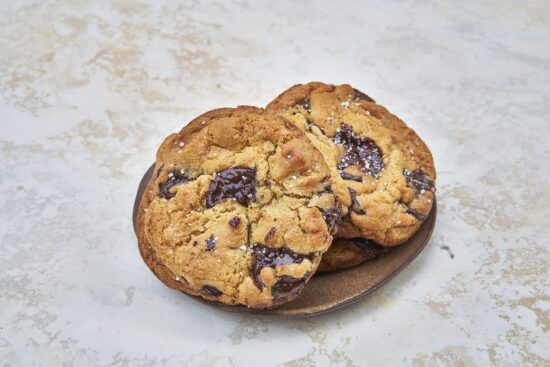
The recipe started with Jacques Torres. How much of what ran in the Times was yours?
The basic recipe is Jacques’. That had been floating around the internet for several years; I believe he even made them on Martha Stewart’s TV program. The original recipe called for an unspecified proportion of pastry flour to bread flour. What most people don’t know is that Jacques changes that proportion based upon several factors, the biggest one being the humidity in the air. I always called him a human barometer. When I was working on the article, I told him that no one was going to buy pastry flour because there’s no other use for it for most home cooks. He agreed to change it to cake flour. His recipe included neither the aging of the dough, which is the single most important aspect of the recipe, nor the sea salt.
How important is it to use the chocolate you recommend?
That’s the single most important ingredient of the cookie, hands down. Over the past 18 years, I’ve seen thousands of photos on the internet using all types of chocolate and chocolate chips. But the discs called for in the recipe are couverture chocolate. They have a substantially higher amount of cocoa butter (at least 31 percent), which is used for coating truffles and bonbons, molding, and piping. Because of all that extra cocoa butter, they melt into these marvelous mini lakes of chocolate. You can’t beat it.
Whenever I see people using chocolate chips, my heart breaks a bit. While they think they have an amazing cookie, they have no idea how good it could be if they used the correct chocolate. The brand I use, which Jacques recommended, is Belcolade.
16 years later, would you change anything?
I wouldn’t necessarily change the recipe, but Americans’ palates have become so much more adventurous. So I would include variations such as brown butter, toasted milk powder, and perhaps a little bit of heat— maybe in the form of Aleppo or chipotle pepper.
Be honest—do you ever save some dough to eat raw, like we do? Oh, totally!
I eat the raw dough all the time. In fact, I had a few cookies that I didn’t bake off for the photographer, and last night I had some marvelous vanilla ice cream with some of the raw dough chopped up and mixed into it. It’s heaven.
Disclaimer: Raw cookie dough contains uncooked eggs and flour, both of which can carry salmonella. We know you’re going to eat it anyway. So does David. Proceed at your own delicious risk.