


June 29, 2026
By Christopher Stella
Photographs by Rana Faure
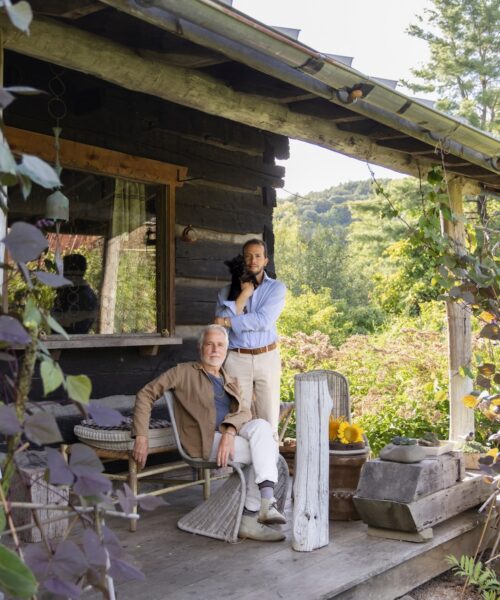
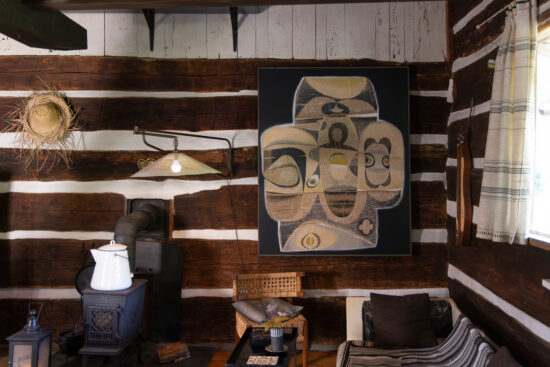
In the morning, visual artist John-Paul Philippe drinks his coffee on the porch of his home, a modest former sharecropper’s cabin on White Hollow Road in Sharon. The building was transported from North Carolina by the property’s previous owner, ornithologist John McNeeley, whose vision and reverence for nature Philippe is dedicated to stewarding. Here, against the backdrop of Red Rock Mountain, Philippe looks out at the meadow accented with wildflowers; the meandering paths that connect the cabin, his artist studio, and a small art gallery (known as BOX); and garden patches that punctuate the space. Here man-made art yields to nature, and nature inhabits art. “I’ve not done much to the land,” says Philippe. “The land tells you what it needs. It’s called the genius loci—the spirit of the place.”
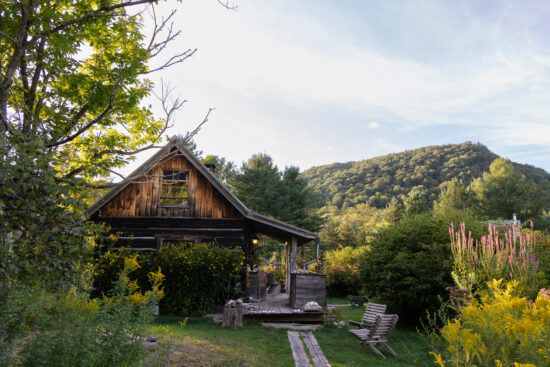
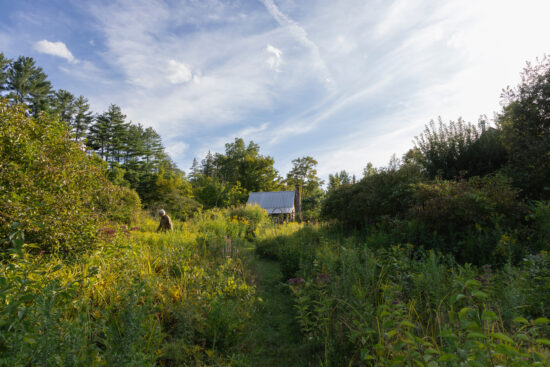
Philippe was born in Henryetta, Oklahoma, a rural community where his relatives lived in modest cabins and worked the land. After earning a BFA from the University of Oklahoma, he spent his formative years in London, Japan, and New York City—working as a multimedia visual artist and as lead in-house artist for Barneys New York. He found the property on White Hollow in 2005 through a friend who lived down the road. McNeeley sought a buyer who would maintain the property’s integrity, requiring prospective buyers to interview before he would sell. “I was determined to get it,” Philippe remembers. “My career was mostly urban, but I was a country kid in the beginning, and went back to that.”
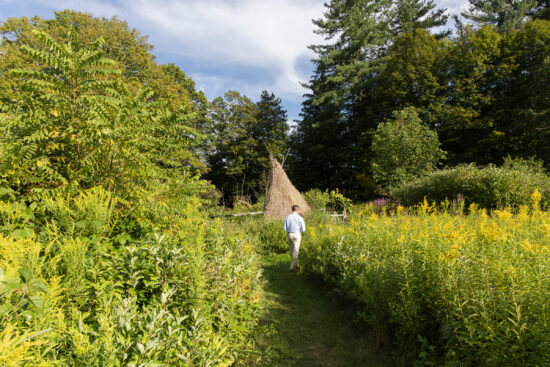
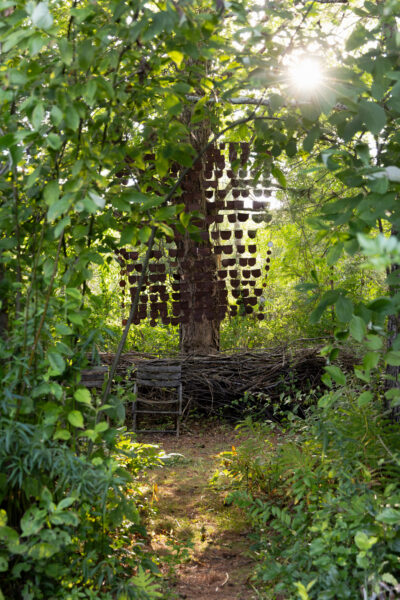
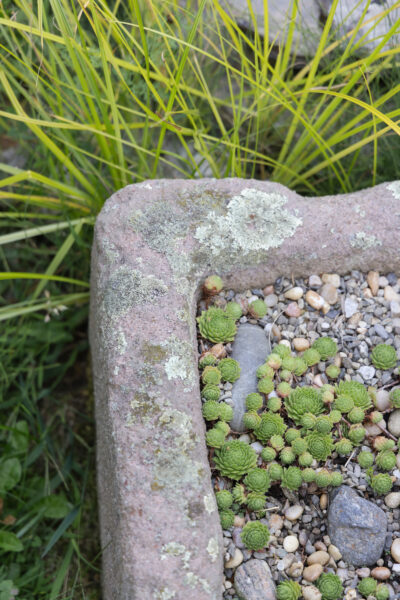
The property’s gardens are an expression of the Japanese wabi sabi philosophy—one that finds beauty in imperfection. “But not just any imperfection,” muses Philippe. For him, aesthetics are everything. “I won’t buy a paintbrush if the color of the handle’s wrong.” In this way, Philippe’s approach to maintenance straddles natural and intentional. He thoughtfully stacks pruned branches to form natural barriers that elegantly snake along the property’s edge, and weaves long switches into elegant pergolas and borders for raised beds.
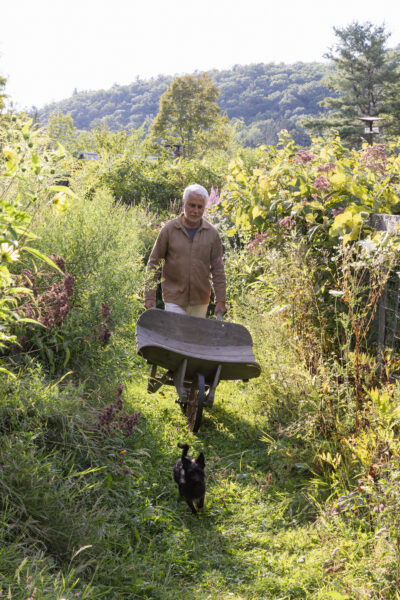
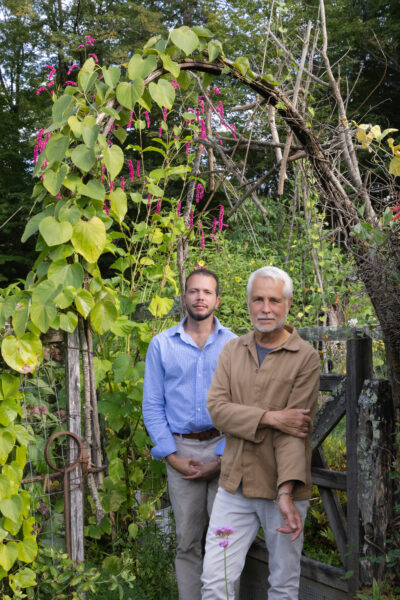
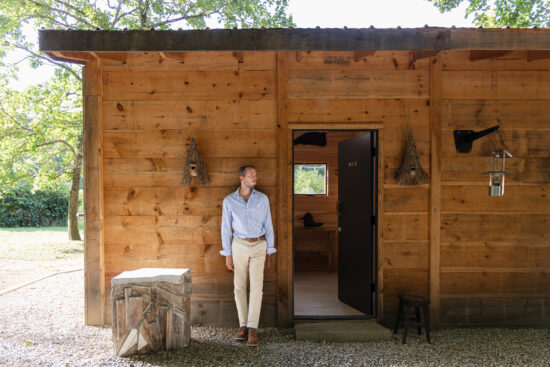
Some of the most striking structures are the work of Philippe’s co-inhabitant, Elvin Rodriguez. Rodriguez grew up in the Dominican Republic, spending his formative years in the mountains with his grandfather, who built everything from what was at hand. In the garden, where Rodriguez tends herbs and vegetables, he has constructed “ramaitas”—small shelters built from branches and grasses found on the property. They are reminiscent of the structures where his grandfather sat to brew coffee in the Caribbean heat, but here they hold bean stalks, shelter nesting birds, and display handmade art objects. “They remind me of my grandfather and where I’m from,” says Rodriguez. “But I don’t try to make them perfect—nature isn’t perfect.”
The gardens of White Hollow are biodynamic in their way, governed by seasons and natural occurrence. Nesting woodcocks determine when the meadow can be mowed; deer prune the shrubs and tread the grass paths; and when a bear once dismantled a fence to get at a compost pile, Philippe decided not to fix it—the gap that remained was just another part of the garden’s story. They’ll never be finished, and that’s fine. Philippe has learned not to resist nature, but to embrace it as an engine of renewal and inspiration. “I’ve been pulling out vines and I’m fascinated with all of the entanglements, so that’s appearing in my work now,” he says. “Being here has made me more equipped and adaptable—I’ve successfully reckoned with change. The dynamic is such an inspiring part of life. whitehollowbox.com