October 26, 2026
Richard Wrightman creates furniture that’s meant to move in Litchfield County
By Christopher Stella
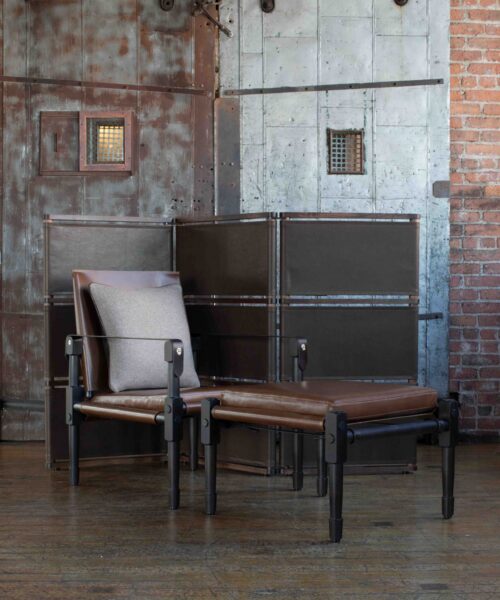
Richard Wrightman’s studio sits along the Farmington River in New Hartford, in an 1840s mill that once spun canvas for boat sails—fitting, for a designer who reinvents campaign furniture. “I love things aligned with exploration and travel,” says Wrightman. “I was first drawn to French modern design, but some of my first pieces had a campaign or safari feel to them, and I realize that’s the direction I want to move toward.”
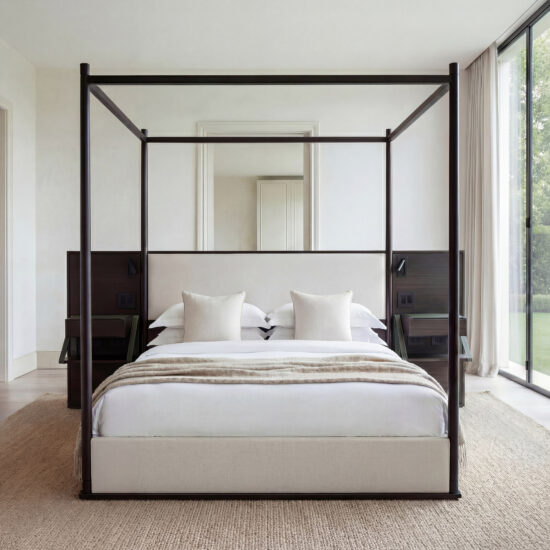
That design sensibility has roots in Wrightman’s childhood. His father was in the military, and the family moved constantly—between Europe and Los Angeles, through Copenhagen, Greece, and Germany. Among their belongings was a 19th-century campaign bed and chest of drawers. “Whenever we would move, I would have to take them apart and put them back together again,” he recalls.
He began at Fairchild Publications before moving into fashion, then product design, in New York. A line of lamps made from found French kitchen objects earned a write-up in The New York Times and led to a fabrication apprenticeship at Product & Design, giving him the grounding to open his own studio in Long Island City.
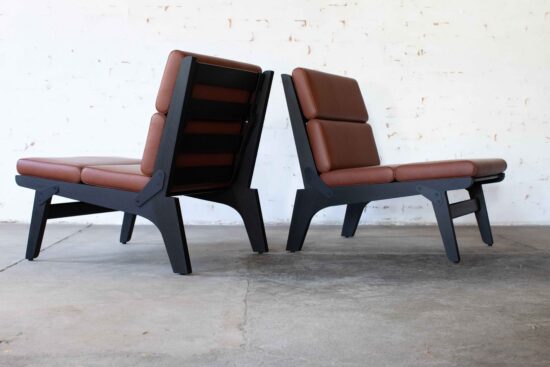
Campaign furniture has been called “luxury under canvas,” designed for officers who wanted home comforts transported to the field. But Wrightman never wanted to simply resurrect the past. “I didn’t want to produce period campaign furniture,” he says. “I wanted to put a modern twist to it, so I brought back the iconic Roorkhee chair from the 1890s, but wanted to make it the most luxurious version of the chair I could.” That distinction defines his 130-piece collection, 70 percent of it campaign inspired, built from hardwoods like black walnut, white oak, teak, and wenge, with English bridle leather armrests and pebbled leather seats. The pieces are named for real and fictitious travel writers, giving each a sense of history.
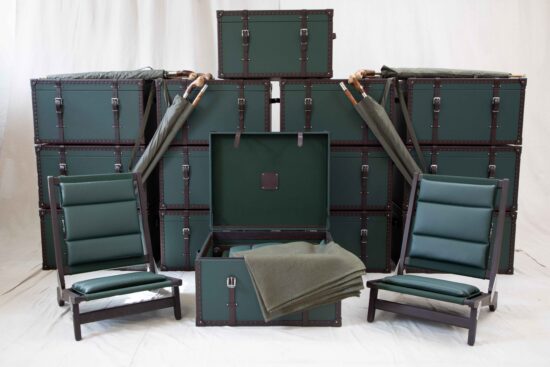
Wrightman has stepped back from the workbench but stays closely involved in the process. “I no longer consider myself a maker. I’m more of an art director,” he says. “But I frequently get off my chair and go downstairs to see what’s going on, and I talk to my crew.” It’s a habit that says as much about him as any finished piece. “I think the most important thing is staying true to yourself and your values,” he says. “I still want to be able to touch everything that goes out the door.”
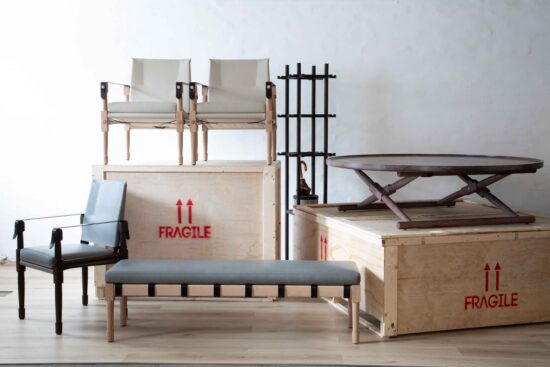
Wrightman moved his studio from New York City to New Hartford in 2021—a shift that changed only where he finds inspiration. “In New York, I was always looking at shops, showrooms, and industry shows,” notes Wrightman. “Here I’m removed from that, so I find myself looking to antique shops for inspiration.” The tradeoff is worth it. “Whenever old friends ask how country life is, my reply for years has been: Living here feels like one long weekend in the country,” muses Wrightman. “After five years, I still feel the same way.” —richardwrightman.com