September 2, 2026
A Veteran Producer Opens His Vault
By Troy McMullen
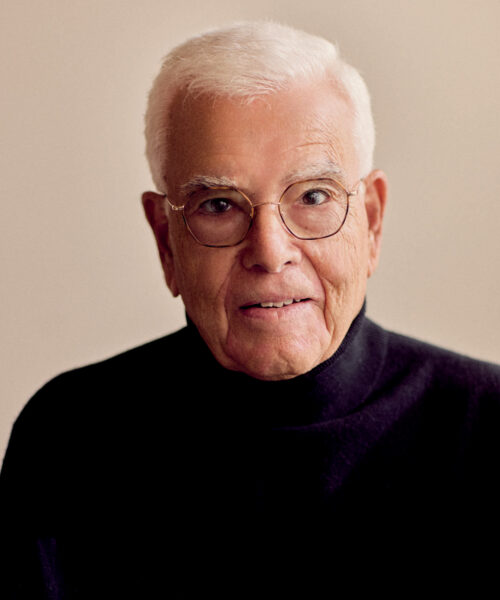
Photograph by Dewey Nicks
By the time he left CBS News in the 1970s, Harry Moses had already amassed the kind of career in broadcast news that most journalists spend a lifetime chasing. Working alongside luminaries such as 60 Minutes executive producer Don Hewitt and correspondents like Mike Wallace and Dan Rather, Moses contributed nearly 100 stories to the venerable news show on his way to receiving Emmy and Peabody awards for his work.
While his departure from CBS after more than 20 years marked the end of one era, it launched the beginning of a new one.
Utilizing a skill for deep investigative reporting that he honed at CBS, Moses transitioned into the independent area, producing a formidable slate of documentaries, television programs, and feature films. His award winning documentary work examined some of the most important political and cultural issues of our times, including social justice and racial issues.
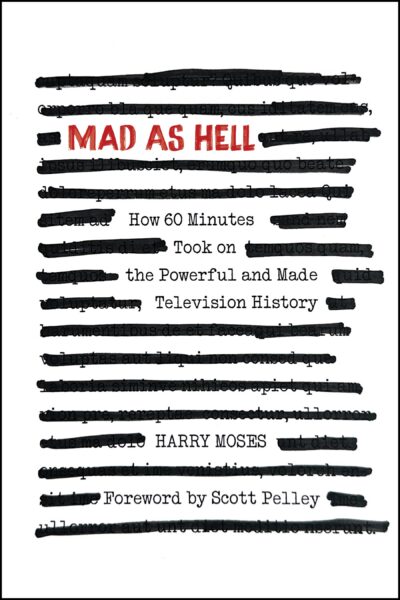
Moses is now reflecting on that legacy with a new memoir. Mad as Hell: How 60 Minutes Took on the Powerful and Made Television History, pulls back the curtain on one of the most influential news programs in American history. The book untangles the raw mechanics behind the investigative pieces Moses helped orchestrate while also exploring how those foundational investigative stories he helped produce came together for a news broadcast that reshaped television journalism.
“That kind of journalism had a real impact on me and how I approached telling important stories,” says Moses, whose sweeping body of work–including prime-time specials for all major networks and cable channels–earned him a lifetime achievement award from the National Academy of Television Arts and Sciences. “The show proved time and again the critical role journalism could play in our society and it continues to do that to this day.
The memoir itself reads much like a well-produced segment on 60 Minutes. Authoritative and rich with granular, insider details that industry veterans crave, yet lively and accessible enough to hook the casual reader. Spanning everything from deeply investigative reports with marquee anchors like Diane Sawyer to directing docudramas like The Trial of Bernhard Goetz, Moses uses an eye for vivid detail to map his storied career.
The book’s most revealing pages chronicle his work with Mike Wallace – the mercurial, notoriously irascible broadcasting giant. “Dealing with Mike was like navigating one of those obstacle courses where impediments keep popping up,” Moses writes.