September 4, 2026
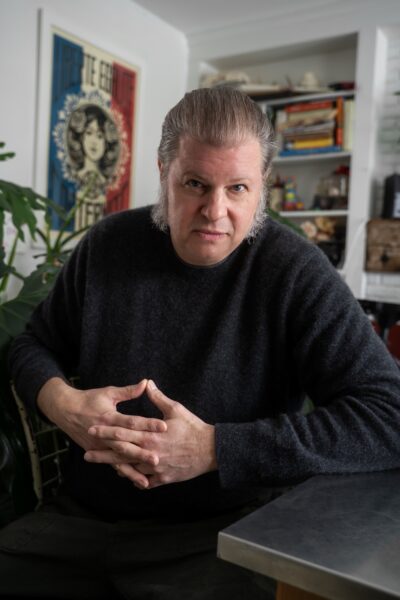
Painter Sebastian Tillinger’s Debut Memoir, Finally on Shelves
Tillinger—son of Broadway director John Tillinger and actress Dorothy Lyman, brother of Scorsese producer Emma Tillinger Koskoff. —has released How the Ferris Wheel Was Broken: A Love Letter to Los Angeles from Regalo Press. He wrote the memoir at 25 and held it for two decades.
You wrote How the Ferris Wheel Was Broken in 1999, when you were 25, but waited more than two decades to release it. What made this the right moment to share it with readers? I’m interested in art that will stay relevant for all time. I’m biased to my own story, but I found this work entertaining after all these years—so maybe other people will, too.
You grew up around your father, Broadway director John Tillinger, and your mother, actress, director, and writer Dorothy Lyman, surrounded by some of the most brilliant minds in theater and film. How did that upbringing shape who you were at 25, and who you are now? My parents are part of a generation of artists who created art for its own sake. Monetary gain was an afterthought, and I am imbued with that sensibility. The artists I have known are intense personalities open to possibilities. Art is communicating something innovative about the human condition.
Your sister, Emma Tillinger Koskoff, has had an extraordinary career as a film producer, working with Martin Scorsese for 20 years and producing The Joker and The Bride. Would you share a bit about her accomplishments and what it was like to work alongside her on The Bride? My sister is a facilitator of dreams. The morale on her projects is always high, as everyone is focused on delivering the director’s vision.
At 25, you described your life as “dull and pointless.” Do you think most young people feel that way? How does your memoir capture the experience of going through an existential crisis? I have been searching for meaning my entire life. I think all people question the nature of reality and existence, but most move on without any answers. I’m lucky to live with the question.
At 25, you were wrestling with the tension between making art and making a living. Looking back from where you sit today, have you reconciled those two pulls, and what would you tell your younger self about that struggle? Art is not commerce. Your belief is powerful—be careful where you place it.
After 20 years in Los Angeles, you returned to Connecticut, where you now live with your wife, Pilar, and your daughter. What drew you back, and how has settling here shaped your life and your work as a painter? I wanted my daughter to grow up slowly in the protective bubble of a small town instead of the city. It’s Calder country, so it suits me just fine as an artist.
What do you most hope readers take away from How the Ferris Wheel Was Broken, and where can they order the book? I hope people find the book entertaining. You are the star of your own movie. You don’t have to be rich and famous to lead an extraordinary life. The book is available wherever books are sold.